Israeli Military Strikes Claim Lives of 12 Palestinians in Gaza, Including Women and Children
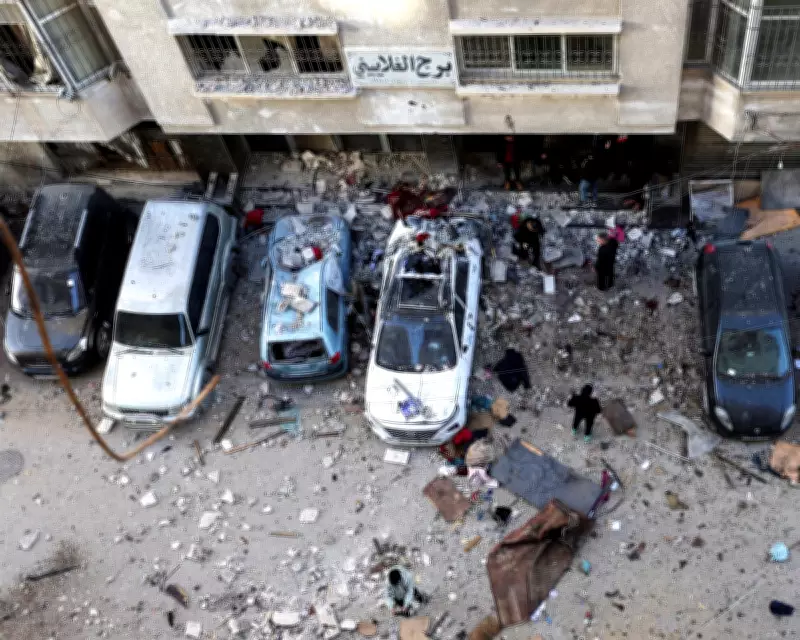
Hospital staff in Gaza have confirmed that Israeli military strikes on Saturday resulted in the deaths of at least 12 Palestinians, with casualties including women and children. This incident represents one of the highest single-day death tolls recorded since the implementation of a ceasefire agreement in October aimed at de-escalating hostilities in the region.
Details of the Strikes and Casualty Reports
The strikes targeted multiple locations across Gaza, impacting both northern and southern areas. In Gaza City, an apartment building was hit, while in Khan Younis, a tent camp was struck, leading to a fire. Officials from hospitals that received the victims provided specific accounts: Shifa hospital reported that the Gaza City strike killed a mother, three children, and one relative in the morning. Meanwhile, Nasser hospital stated that the tent camp strike resulted in seven fatalities, including a father, his three children, and three grandchildren.
According to Gaza's health ministry, which is overseen by the Hamas-led government, more than 500 Palestinians have been killed by Israeli fire since the ceasefire began on 10 October. These casualty records are generally regarded as reliable by United Nations agencies and independent experts, who monitor the conflict closely.

Context of the Ceasefire and Border Crossings
This deadly event occurred just one day before the anticipated opening of a border crossing in Gaza's southernmost city, Rafah. All border crossings in the territory have been sealed since the onset of the war, making the Rafah crossing with Egypt a critical lifeline for tens of thousands of Palestinians in urgent need of medical treatment outside Gaza, due to the widespread destruction of local medical infrastructure.
The timing of these strikes serves as a stark reminder that despite incremental progress toward a ceasefire agreement, the death toll continues to rise, highlighting ongoing tensions and violence in the area. Israel's military has not issued an immediate response to inquiries regarding these specific strikes, leaving questions unanswered about the circumstances and justification for the attacks.
Broader Implications and International Scrutiny
The incident underscores the fragile nature of the ceasefire and the persistent humanitarian crisis in Gaza. With health authorities maintaining that the death toll is broadly accurate, and Israel acknowledging around 70,000 deaths since the conflict escalated, the international community remains watchful of developments. This event may influence diplomatic efforts and public opinion, as stakeholders assess the impact on peace negotiations and aid delivery.
As the situation evolves, further updates are expected from both local sources and international observers, who continue to document the human cost of the conflict and advocate for sustained efforts toward a lasting resolution.