Israel's Assassination of Iranian Official Deepens Regional Conflict
This week, Israel escalated tensions in the ongoing US-Israeli bombing campaign against Iran by killing Ali Larijani, Iran's top security official. Larijani was widely regarded as a bridge-builder between hardliners and moderates within the Iranian regime, and his death has significantly undermined potential efforts to secure a ceasefire. This move aligns with Israeli Prime Minister Benjamin Netanyahu's apparent strategy to prolong the conflict, contrasting with US President Donald Trump's stated goal of regime change.
Divergent Goals and Mounting Costs
The war, now in its third week, has resulted in staggering costs, with estimates suggesting Americans have already spent at least $11 billion. Despite Trump's initial justification based on preventing Iran's missile program and nuclear capabilities, the bombing has failed to achieve its objectives. Instead of fostering regime change, the ferocity of the attacks has reinforced the Iranian regime, strengthening hardliners who selected the son of the late Supreme Leader Ali Khamenei as his successor after Khamenei was killed in an early strike.
Trump admitted as early as March 11 that there was "practically nothing left to target", highlighting a disconnect with Netanyahu, who claims to have weeks of targets remaining. This divergence stems from their differing approaches: Netanyahu seems to prefer keeping Iran in a state of chaos to delay retaliation, while Trump has aimed to engineer a more amenable regime, akin to efforts in Venezuela.

Elusive Military and Humanitarian Consequences
Military successes have been limited. Although the bombardment has reduced Iran's long-range missiles, the regime continues to use drones, smaller missiles, and tactics like mining the Strait of Hormuz to disrupt global oil supplies, causing prices to skyrocket. Iran's nuclear program remains a threat, with officials suggesting highly enriched uranium may still be buried underground, requiring risky ground operations to extract.
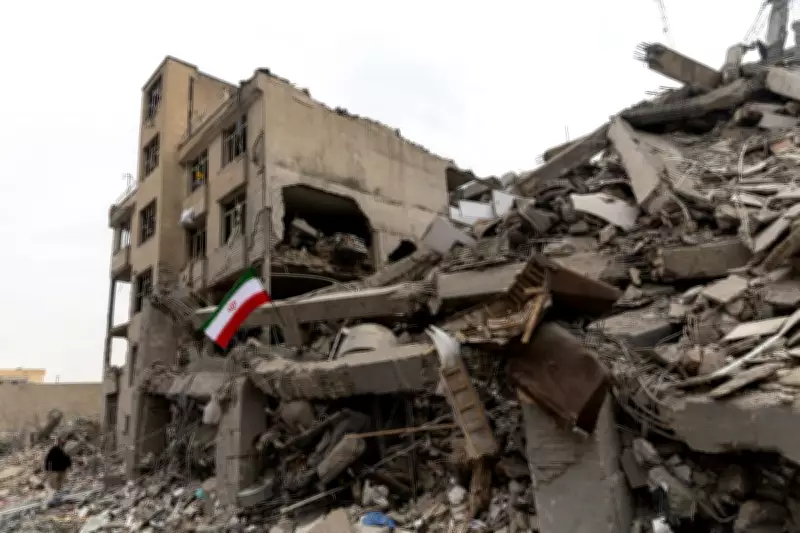
The humanitarian toll is severe. In one of the deadliest incidents, a US missile struck a girls' elementary school, killing 168 people, mostly students. Investigations revealed "outdated targeting data" as a factor, raising questions about compliance with legal duties to avoid civilian harm. Similarly, Israel's attack on fuel depots outside Tehran released toxic fumes affecting millions, and healthcare facilities have been targeted, resulting in deaths among health workers.
Global Repercussions and Political Fallout
As the war drags on, public opinion is shifting globally. American support for Israel has plummeted due to actions in Gaza and now Iran, while Trump's belligerence has led key democratic allies like Canada, Germany, France, and the UK to favor closer ties with China. Trump's pleas for NATO assistance in defending tankers in the Strait of Hormuz have been met with cold responses, complicating international cooperation.
Kenneth Roth, a Guardian US columnist and former Human Rights Watch executive director, argues that Trump's "lawless belligerence" and demand for Iran's unconditional surrender risk entrenching a forever war. With mounting economic pressures, declining stock markets, and worsening midterm prospects for Republicans, there is growing urgency for Trump to reject Netanyahu's strategy and seek an end to the conflict. The hope remains that Trump may declare victory and move on, but the path to peace remains fraught with challenges as the region suffers from this disastrous war of choice.