The Kurdish Peshmerga: A Stateless Force in Regional Conflicts
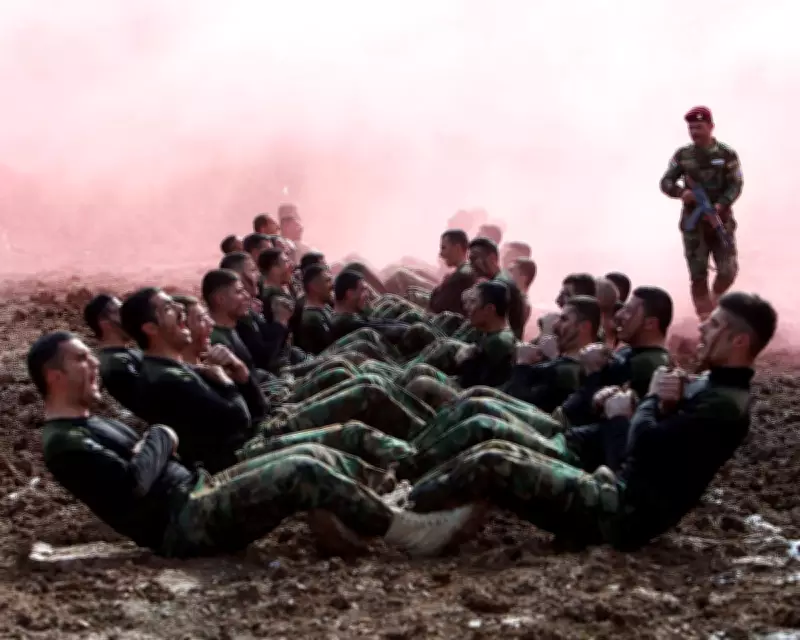
Members of the Kurdish peshmerga special forces recently demonstrated their combat skills, highlighting their potential role in escalating tensions with Iran. With air support and US military advisers on the ground, these fighters could potentially cross borders and hold territory in Kurdish-dominated regions within Iran, according to military analysts.
Who Are the Kurds and Why Does Trump Seek Their Involvement?
The Kurds represent one of the largest ethnic groups globally without their own sovereign nation, numbering between 30 and 40 million people worldwide. Most reside in mountainous regions spanning the borders of Armenia, Iraq, Iran, Syria, and Turkey. Their history traces back to the ancient Medes, but they were left stateless a century ago when modern Middle Eastern borders emerged from the collapsing Ottoman Empire.
Repeatedly caught in the volatile political competitions of the region, Kurds have often relied on their homegrown militia, the peshmerga, for defense. A common Kurdish saying reflects their historical struggles: "We have no friends but the mountains."

Cultural Identity and Historical Struggles
Despite significant internal diversity, Kurds maintain a distinct cultural identity with their own language (related to Persian with multiple dialects), music, cuisine, and national consciousness. Kurdish nationalism emerged in the late 19th century, but dreams of an independent homeland have been repeatedly dashed. Promises from imperial powers like Britain and later the United States to support Kurdish national ambitions have largely gone unfulfilled.
Most Kurds are Sunni Muslims, though significant religious minorities exist within their communities. Since World War II, authoritarian regimes across the region have brutally repressed Kurdish populations, displacing and killing entire communities. Outside powers have frequently exploited Kurdish groups for geopolitical leverage, often with disastrous consequences for Kurdish civilians.
Regional Conflicts and Kurdish Experiences
In Turkey, a prolonged conflict between security forces and the PKK (a leftist group initially fighting for independence and later autonomy) has resulted in over 40,000 deaths and massive displacement in southeastern Turkey.
In Iraq, Saddam Hussein deployed chemical weapons against Kurds in the north during the 1980s. Following the 1991 Gulf War, Iraqi Kurds managed to establish a semi-autonomous region that they have governed continuously since.
In Syria, Kurdish efforts to build an autonomous enclave during the recent civil war ultimately failed, despite their crucial role as ground fighters in the US-led coalition campaign that defeated Islamic State in both Syria and Iraq.
The Peshmerga's Military Reputation
The Syrian and Iraqi campaigns, which cost many Kurdish lives, solidified the peshmerga's reputation as effective fighters. The term "peshmerga" translates to "those who face death," reflecting their combat ethos. Their knowledge of terrain, mobility, and motivation compensate for their relatively light weaponry, even against formidable opponents.
These conflicts also strengthened connections between Kurdish forces and US officials and military personnel, refining tactics that could potentially be deployed in coming weeks. Reports suggest the Trump administration is considering utilizing fighters from Iranian Kurdish opposition groups to undermine Tehran's current rulers.
Potential Role in Iran Conflict
With American air support and military advisers, peshmerga forces could potentially cross into Iran and hold territory in Kurdish-dominated border areas. However, analysts caution that advancing significantly beyond these border zones remains unrealistic given current military capabilities.
Iran's Kurdish regions have a longstanding history of resistance to central authority dating back to the 1979 revolution. More recently, these areas became major flashpoints during widespread domestic unrest in 2022, triggered by the custody death of an Iranian-Kurdish woman. Similar anti-government protests in late December 2025 led to thousands of deaths in January 2026, highlighting ongoing tensions.

The potential mobilization of Kurdish fighters represents another chapter in the complex relationship between stateless Kurds and global powers seeking to leverage their military capabilities for regional objectives.