Retired General McChrystal Dubs Trump's Foreign Policy the 'Jolene Doctrine'
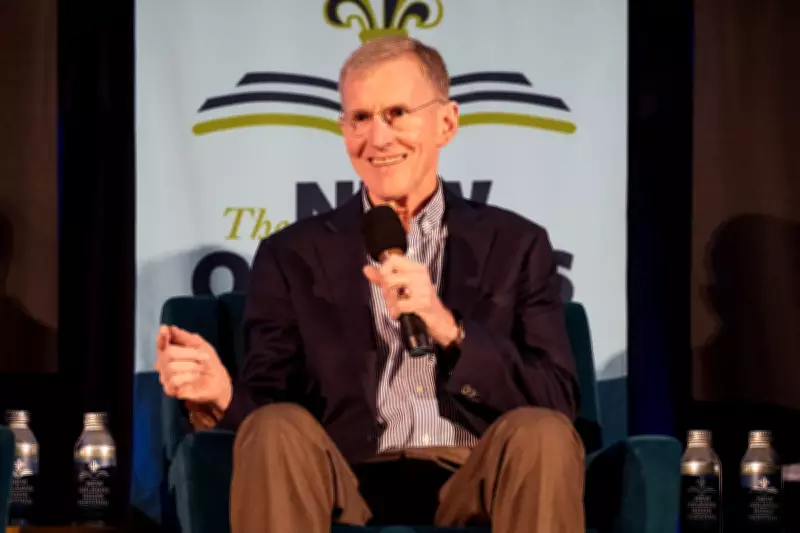
Retired US Army General Stanley McChrystal, the former commander of NATO forces in Afghanistan, has coined a striking term for Donald Trump's foreign policy during his second presidency: the "Jolene doctrine." Speaking at Tulane University's New Orleans Book Festival on March 12, 2026, McChrystal likened the administration's approach to the lyrics of Dolly Parton's classic 1973 song, warning of a dangerous "we should do because we can" mindset in international relations.
A Fireside Chat with Historical Weight
During a fireside chat hosted by The Atlantic editor-in-chief Jeffrey Goldberg, McChrystal was asked about recent US military strikes ordered by Trump in Nigeria, Venezuela, and Iran since Christmas. In response, the retired general invoked Parton's Grammy-nominated hit, drawing a parallel to the plea of the song's narrator: "Jolene, please don't take my man; don't take him just because you can." McChrystal expressed concern that the US might be entering a period where capability alone justifies action, a perspective he fears is shaping global perceptions of American power.
McChrystal's commentary carries significant weight given his distinguished military career. After graduating from West Point in 1976, he served in the US Army for decades, playing key roles in the capture of Saddam Hussein in 2003 and the 2006 killing of al-Qaida leader Abu Musab al-Zarqawi in Iraq. He later commanded US and NATO troops in Afghanistan from June 2009 until his resignation in 2010 following controversial remarks about civilian leadership, including President Barack Obama and then-Vice President Joe Biden.

Recent Military Actions Under Scrutiny
The "Jolene doctrine" critique comes amid a series of aggressive US military actions:
- Christmas strikes in north-west Nigeria targeted Islamic State fighters, though questions remain about the specific group affected and the operation's impact.
- On January 3, the US attacked Venezuela and seized its ruler, Nicolás Maduro, who faces US charges related to drugs, weapons, and narco-terrorism.
- A joint US-Israel attack on Iran on February 28 resulted in the death of Supreme Leader Ayatollah Ali Khamenei, sparking a conflict marked by unclear objectives and mixed signals from the Trump administration.
Amid these events, Trump renewed threats to seize Greenland militarily, straining NATO alliances before walking back the remarks. The bombing of a girls' school in southern Iran, which killed at least 175 people mostly children, has further complicated the situation, with Trump attempting to deflect responsibility.
Expert Reactions and Historical Context
Jay Sexton, a historian of American foreign relations at the University of Missouri, echoed McChrystal's concerns, stating that the Trump team is acting like "an unbridled Jolene" but warning that such actions may lead to regret. The White House responded to McChrystal's comments by asserting that Trump has restored America's leadership in the free world.
McChrystal emphasized the importance of alliances, stating, "I'm a great believer in allies. To me, that's the sacred kind of relationships that are essential for any nation. We'll never be powerful enough to go it alone." His remarks underscore a broader debate about the role of military power and diplomatic restraint in US foreign policy, framed through a cultural lens that resonates with both political and public audiences.