

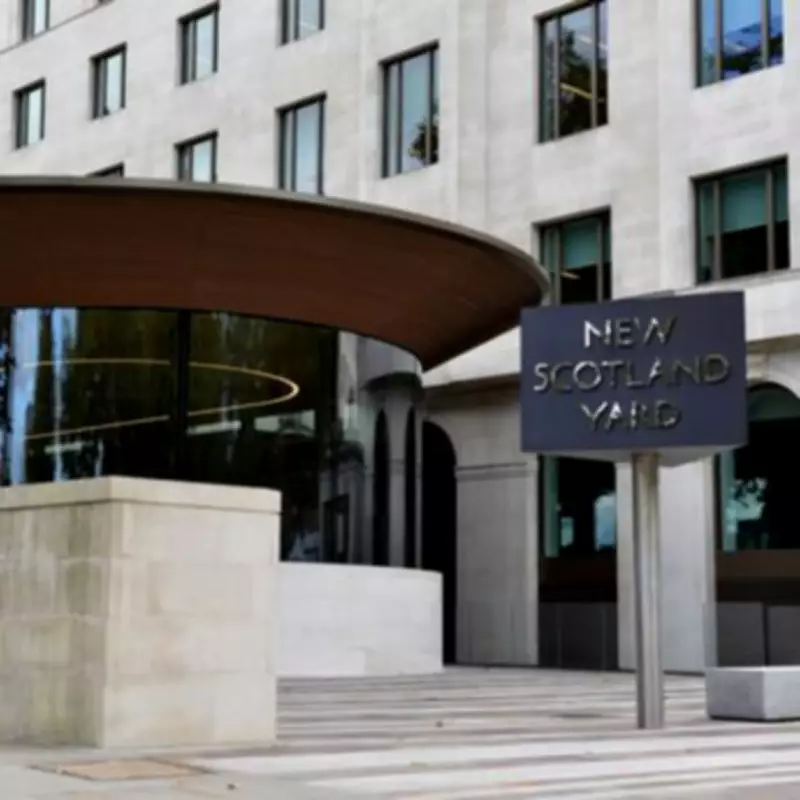
Met Police Announces AI Initiative to Combat Child Sexual Abuse
The Metropolitan Police has revealed groundbreaking plans to leverage artificial intelligence in the fight against child sexual abuse. This innovative approach aims to accelerate the identification and safeguarding of victims, marking a significant shift in how law enforcement tackles these heinous crimes.
AI to Revolutionize Victim Identification Processes
Traditionally, officers have spent countless hours manually reviewing seized material to determine if images or videos pertain to known cases or indicate new, unidentified victims requiring immediate protection. This painstaking process is not only time-consuming but also exposes personnel to highly distressing content.
Artificial intelligence promises to transform this procedure by analyzing vast quantities of material with unprecedented speed and efficiency. The technology could help identify previously unknown victims more rapidly than ever before, enabling officers to prioritize cases and expedite safeguarding actions.

£10 Million Investment in Trauma-Reduction Spaces
In parallel with the AI exploration, the Met is committing £10 million to develop specialized interview spaces designed to minimize trauma and improve outcomes for child victims. These child-first environments represent a crucial investment in victim care and support.
Deputy Commissioner Matt Jukes emphasized the urgency of these initiatives, stating: "The scale and complexity of child sexual abuse is changing, particularly online, and we must change how we respond." He further explained that alongside the interview space investment, "we are exploring how artificial intelligence can be used responsibly to help identify potential new victims far more quickly than is possible through manual review alone."
Addressing Rising Online Abuse Cases
The need for enhanced response mechanisms has become increasingly pressing as online child sexual abuse and exploitation (OCSAE) crimes have surged by 25% year-on-year. Over the past year alone, the Met investigated more than 5,400 child sexual abuse offences, necessitating safeguarding measures for over 1,300 children.
By implementing AI-assisted identification, authorities hope to significantly shorten the critical window between detection and intervention. This acceleration could prove vital in protecting vulnerable children from further harm.
Balancing Technology with Human Oversight
While embracing technological solutions, the Met has emphasized that human judgment and victim care will remain central to all investigations. Strict legal, ethical, and safeguarding frameworks will govern AI usage, with specialist officers retaining ultimate decision-making authority and maintaining oversight at every stage.
Jukes highlighted this balanced approach, noting that AI implementation "could also significantly reduce the amount of time officers and staff are exposed to the most distressing material, while ensuring that human judgement, strong oversight and victim care remain at the heart of every investigation."
This dual strategy of technological innovation and trauma-informed victim support represents a comprehensive response to the evolving challenges of child protection in the digital age.






