MI5 and Police Forces Admit to Unlawful Surveillance Campaign Against Former BBC Journalist
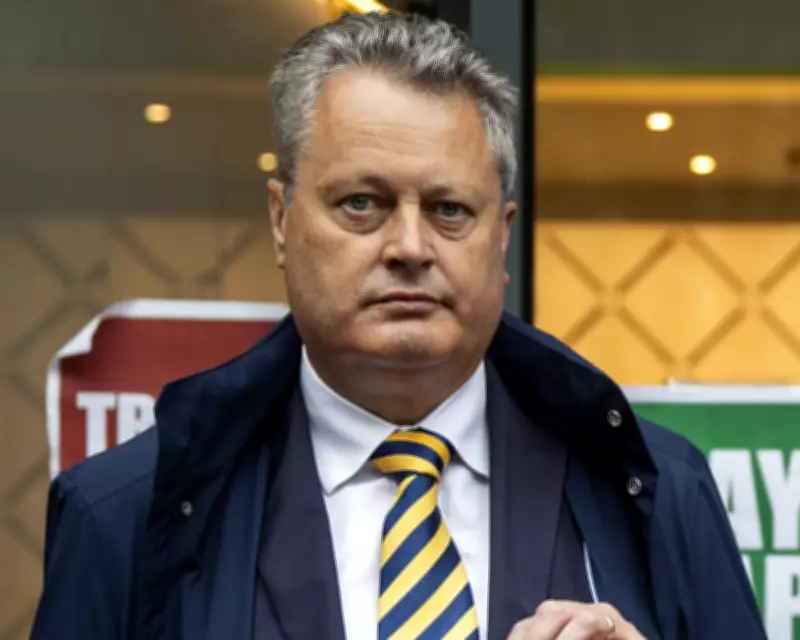
In a startling revelation at the investigatory powers tribunal (IPT), it has emerged that MI5 and multiple police forces waged a prolonged and illegal campaign of surveillance against Vincent Kearney, a former BBC Northern Ireland home affairs correspondent. The tribunal heard that this interference, spanning eight years, was aimed at identifying his journalistic sources and constituted a severe breach of his rights under the European Convention on Human Rights.
Details of the Unprecedented Surveillance Operation
MI5 admitted last year that it had unlawfully obtained Kearney's phone data on two occasions between 2006 and 2009. However, further evidence presented in court this week shows that the intrusion was far more extensive and invasive than initially disclosed. The Police Service of Northern Ireland (PSNI) and the Metropolitan Police also conceded to unlawfully accessing Kearney's communications data, with the PSNI alone obtaining information related to 1,580 calls or texts made or received by the journalist.
According to submissions by Jude Bunting KC, representing Kearney and the BBC, the surveillance involved "repeated and consistent illegality" by multiple public authorities over many years. Bunting emphasized that the volume and extent of interference with journalistic material in this case are "unprecedented." The data obtained allowed authorities to track Kearney's interactions, including geographic data from his phone records, without accessing the content of calls or messages.

Impact on Journalism and Private Life
Kearney, who now serves as the northern editor at Irish broadcaster RTÉ, was a prominent figure at BBC Northern Ireland until 2019, covering politics and security. The tribunal heard that the PSNI had created a "detailed intelligence profile" of Kearney, containing information about his journalism, family members, and private life. This profiling, combined with the sustained surveillance, has had a "measurable chilling effect" on his ability to operate as a journalist, damaging and, in some cases, destroying his relationships with sources.
In a statement to the tribunal, Kearney expressed that the admissions by MI5 and police reveal a "systematic and years-long pattern of accessing my journalistic sources." He added that he is unaware of any other journalist in the UK or Ireland who has been targeted in such a sustained manner over so many years. The BBC, in a spokesperson's statement, condemned the actions, stating, "What happened in this instance was wrong and must never be repeated. The independence of what we do is hard won and it's something that we will fight to protect."
Legal Proceedings and Responses
Kearney is seeking damages from the PSNI, but the force has argued that compensation is not appropriate, claiming their efforts to obtain his data were "reasonable" and intended to "further criminal investigations." Meanwhile, a lawyer for MI5 acknowledged that applications to obtain Kearney's data were not lawful but contested that the agency's actions amounted to a "long and sustained campaign."
The Home Office responded by noting that the case "covers historic activity" and highlighted that legislation governing the acquisition of communications data has been updated to include enhanced protections for journalists and journalistic material. This case underscores ongoing concerns about state surveillance and press freedom in the UK, with the IPT continuing to investigate the full scope of the unlawful activities.