Minneapolis Under Siege: ICE Operations Trigger Community Outrage
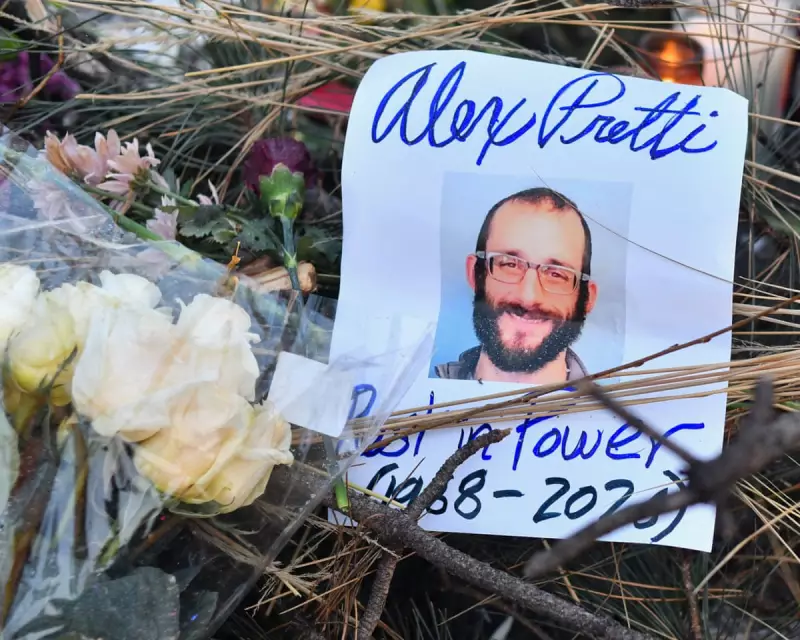
A makeshift memorial stands in the freezing cold where Alex Pretti was shot dead last Saturday, a stark symbol of the turmoil engulfing Minneapolis. Since December, when the Trump administration deployed Immigration and Customs Enforcement agents into the city, residents have faced a deepening crisis marked by 3,000 arrests, two fatal shootings, and routine rights violations.
A City in Resistance
What began as what the administration touted as the largest immigration operation in US history has spiralled into a full-blown humanitarian and democratic test. The resistance in Minneapolis extends far beyond traditional activism. Thousands of residents are organising mutual aid networks, conducting ICE watch patrols, and documenting every interaction in the frigid winter conditions.
Alex Pretti, a 37-year-old intensive care nurse, was killed after reportedly rushing to protect a woman pepper-sprayed by Border Patrol agents. Earlier in January, Renee Good, a 37-year-old mother of three, was shot while observing ICE activity near her home. These incidents are not isolated but part of a pattern of escalation that has seen teargas and pepper spray become common on residential streets, with children and adults sporadically snatched from their homes.

Profiling and Intimidation
Most interactions between residents and agents are charged with tension. Last Monday, six days before Pretti's death, a dozen ICE agents in black SWAT fatigues surrounded a car driven by Joaquin and Gloria Espinoza, both American citizens for over 30 years. They believe they were stopped solely due to their skin colour. "They were racially profiling," Espinoza states, adding that officers taunted them during a background check.
Civilian observers quickly arrived, honking horns and filming the scene, surrounding the agents who looked away sheepishly. Although no arrest was made this time, Espinoza, who owns a lawn care business, remains incensed. "What did they get out of me? Nothing." There's a palpable sense that such encounters could easily turn violent.
Historical Context and Community Organising
Minneapolis has long been a crucible for social justice struggles, notably as a focal point for the Black Lives Matter movement following George Floyd's murder in 2020. The city's political leaders, including Mayor Jacob Frey and State Attorney General Keith Ellison, remain in office, alongside a robust organising infrastructure among residents.
Patty O'Keefe, a 36-year-old environmental nonprofit worker and ICE watcher, exemplifies this resilience. "We don't bend the knee to authoritarianism," she declares. Recently, while tracking an ICE convoy, agents pepper-sprayed her car, smashed its windows, and arrested her. Held for eight hours without charge, she was taunted with references to Renee Good's death. O'Keefe views this as deliberate intimidation but remains steadfast.
Political Polarisation and Racist Rhetoric
The crisis has exposed deep political divides. At a Republican gubernatorial candidate forum in Esko, 150 miles north, candidates rebuked peaceful protests and encouraged Trump to invoke the Insurrection Act. Among attendees, empathy for Good's shooting was scarce, with one repeating false administration claims that "mothers of three can be terrorists."
Candidate Brad Kohler, claiming to be a moderate, quickly resorted to racist tropes about Minnesota's Somali-American population, echoing Trump's rhetoric. This normalisation of racism has made the state a potent target, with Somali neighbourhoods repeatedly raided by ICE despite most residents being US citizens.
Economic and Social Fallout
Fartun Weli, who runs a nonprofit serving Somali families, highlights the broader impact. At a local Somali mall, many storefronts are closed, with vendors reporting no sales for over a month as customers stay away in fear. Weli expresses disbelief at the slurs from the White House, questioning the rationale behind the crackdown. "I'm just asking how and why," she says. "But there is no answer."

As Minneapolis mourns Alex Pretti and Renee Good, the community's resolve strengthens. Despite the freezing temperatures and ongoing intimidation, residents continue to organise, patrol, and resist, driven by a collective commitment to protect their city from what they perceive as an assault on their fundamental rights and dignity.