Minneapolis Shooting: Teargas and Tragedy as Federal Narrative Unravels
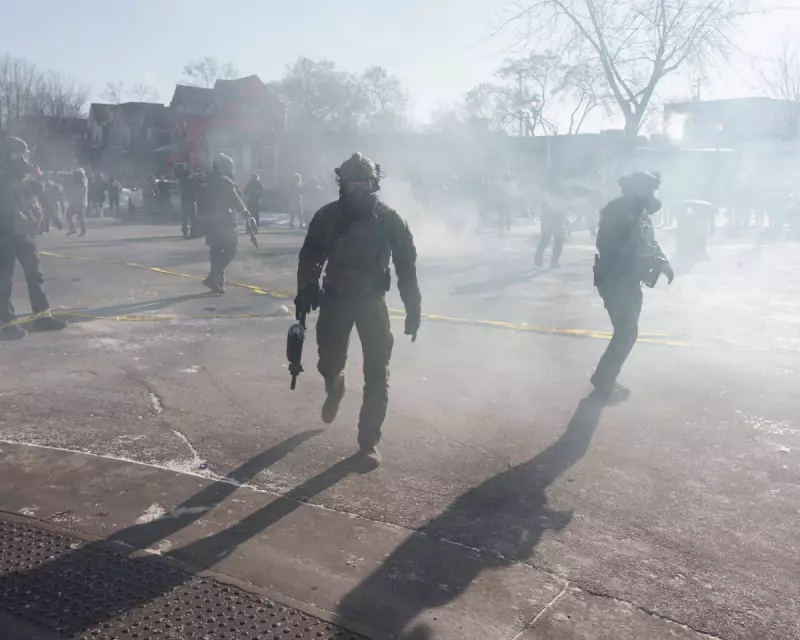
A federal agent walks through a cloud of teargas near the site where Alex Pretti was fatally shot by federal agents in Minneapolis. This chilling scene underscores the escalating tensions in the city, where a second US citizen has been killed by federal officials in less than three weeks. The Trump administration's account of events is increasingly at odds with video footage and eyewitness testimony, raising serious questions about credibility and transparency.
What We Know About the Death of Alex Pretti
Alex Pretti, a 37-year-old intensive care nurse at the Minneapolis Veterans Affairs hospital, was shot dead on Saturday during a protest against aggressive immigration enforcement operations. His killing follows the recent death of Renee Nicole Macklin Good, another 37-year-old US citizen, shot by a federal immigration officer in the same city. Multiple videos circulating online show Pretti filming federal agents on his phone before coming to the aid of a legal observer who had been shoved to the ground. In distressing footage, he is pepper-sprayed, tackled, and pinned down by several agents, with at least one officer firing shots at close range.
Eyewitnesses, including a physician who watched from a nearby apartment, have provided sworn testimony stating that Pretti was not brandishing a weapon at any point. They also reported that federal officers initially prevented medical aid, focusing instead on counting bullet wounds rather than performing CPR. This starkly contrasts with the official version from senior Trump administration figures, who claimed Pretti approached officers with a handgun and posed a lethal threat, with Donald Trump describing him as a "gunman."

A Pattern of Contradictions and Mounting Outrage
The reaction to Pretti's death has been swift and wide-ranging. Politicians such as California's governor, Gavin Newsom, have called for the resignation of Homeland Security Secretary Kristi Noem, while figures like Alexandria Ocasio-Cortez have accused officials of justifying the killing. Prominent athletes and entertainers, including NBA and NFL players, have condemned the incident, with some events like an NBA game being postponed due to public safety concerns. Minneapolis's mayor, Jacob Frey, has vehemently demanded that federal agencies leave the city, questioning how many more Americans need to die.
In a surprising move, the National Rifle Association has joined other gun advocacy groups in calling for a full investigation into the killing. This backlash highlights the deepening divide between official narratives and public perception, exacerbated by smartphone footage that makes discrepancies harder to ignore. The situation in Minneapolis echoes historical moments, such as the filming of Rodney King's beating, where video evidence exposed gaps in official accounts of policing.
Why Minneapolis Has Become a Flashpoint
Minneapolis has emerged as a critical flashpoint due to its history of law enforcement violence, notably the murder of George Floyd in 2020. The presence of heavily armed federal agents on city streets, coupled with Donald Trump's threats to invoke the Insurrection Act, has intensified tensions. Federal agents have been accused of blocking local investigators from accessing crime scenes, further eroding trust. As journalist Garrett Graff noted, the events in Minneapolis represent a shift on the spectrum toward autocracy, with real-time filming by citizens challenging official stories.
What is clear is that Americans are once again being asked to choose between the narratives promoted by Trump's Maga Republicans and the evidence of their own eyes. The killing of Alex Pretti not only tests the credibility of federal authorities but also underscores the broader struggles over immigration enforcement and civil liberties in the United States.