

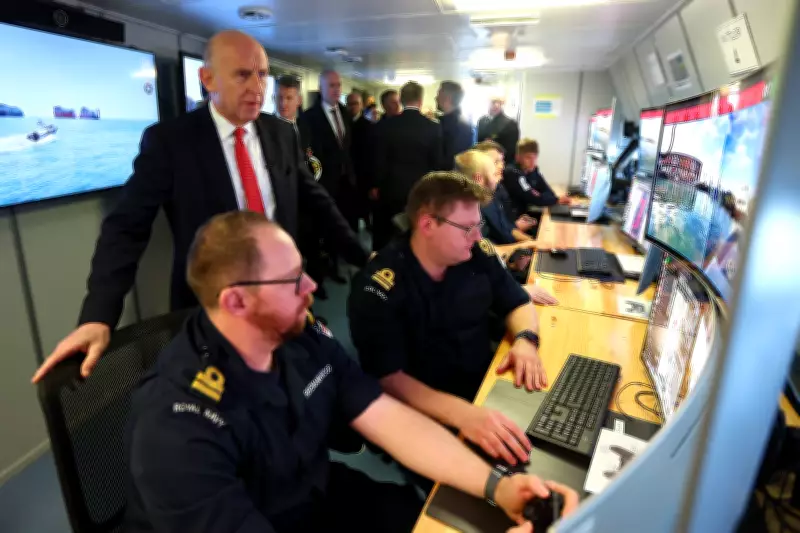
The Ministry of Defence has launched a high-profile recruitment drive for a chief artificial intelligence officer, offering a substantial salary of up to £185,000 annually. This strategic hire is designed to position the United Kingdom at the forefront of technological warfare capabilities. Based in London, the successful candidate will be tasked with spearheading an internal technology centre and integrating AI systems across all military branches to achieve maximum operational impact.
Application Guidelines and Ethical Concerns
In a notable twist, the MoD has explicitly advised potential applicants against utilizing artificial intelligence tools when preparing their submissions. The official job advertisement states clearly: "Artificial intelligence can be a useful tool to support your application, however, all examples and statements provided must be truthful, factually accurate and taken directly from your own experience." This warning addresses growing concerns about plagiarism and authenticity in AI-assisted applications, emphasizing the need for genuine expertise.
Strategic Defence Context and Funding Pressures
The recruitment initiative strongly suggests that artificial intelligence will form a cornerstone of the forthcoming Defence Investment Plan, which outlines how the government intends to finance major military modernization projects. Defence Secretary John Healey initially set an autumn 2025 deadline for this crucial blueprint, but publication is now anticipated by mid-2026. This plan is expected to detail funding allocations based on recommendations from last year's Strategic Defence Review.

One particularly ambitious proposal from the review calls for establishing a "Digital Targeting Web" by the end of 2027. This system would employ artificial intelligence to connect sensors on satellites and naval vessels directly to missile systems and cyber warfare capabilities. However, analysts at the Royal United Services Institute have raised concerns about the project's clarity, noting it lacks defined outcome objectives and may face organizational challenges. Industry partners reportedly require clearer financial commitments from the government before proceeding with confidence.
Financial Challenges and Political Realities
Prime Minister Sir Keir Starmer and Chancellor Rachel Reeves face mounting pressure to secure additional defence funding despite significant constraints on public finances. Senior military officials within the MoD have reportedly warned that approximately £28 billion will be needed over the next four years to fully implement proposed upgrades. The government has committed to allocating 2.5 percent of GDP to defence spending starting next year.
The Office for Budget Responsibility's March forecast indicates that achieving NATO's 2035 target of 3.5 percent GDP expenditure on defence through a "linear path" would require an additional £6 billion in the final year of the current parliament. In contemporary economic terms, escalating defence spending to meet this NATO benchmark would necessitate the Treasury finding approximately £40 billion through increased tax revenue, departmental savings elsewhere, or additional borrowing.
Qualifications and Expectations for the Role
The Ministry of Defence seeks a "highly respected thought leader and innovator" in artificial intelligence who can drive the development of advanced data and information capabilities to optimize military outcomes. This individual will play a pivotal role in shaping the UK's defence technology landscape, ensuring the armed forces remain competitive in an increasingly digital battlefield environment. The position represents a significant investment in technological leadership at a time when global military powers are rapidly advancing their AI capabilities.






