Myanmar's 'Deepening Crisis' Five Years After Military Coup, Warns UK Foreign Secretary
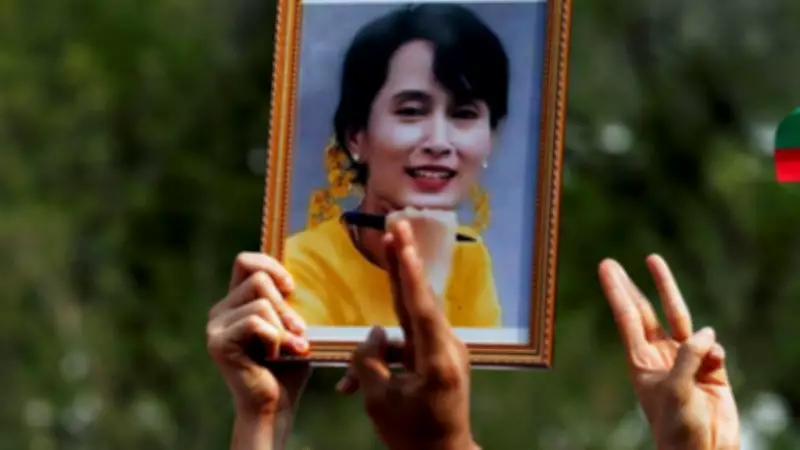
Foreign Secretary Yvette Cooper has issued a stark statement on the fifth anniversary of the military coup in Myanmar, describing a nation facing a "deepening crisis" with severe humanitarian and political consequences. The coup, which occurred on 1 February 2021, overthrew the democratically-elected government led by Nobel Peace Prize laureate Aung San Suu Kyi, overturning what Ms Cooper termed "the will of the people" and stripping away their political freedoms.
Humanitarian Toll and UK Support Efforts
In her statement released on Sunday, Ms Cooper highlighted the dire conditions on the ground in Myanmar, emphasising that the UK remains committed to supporting a stable future for its people. Over the past year, the UK has provided humanitarian assistance to more than 1.4 million individuals and delivered essential health services to 1.3 million people. Despite these efforts, the situation remains critical, with half of Myanmar's children now out of school and women and girls enduring persistent violence.
The foreign secretary underscored the broader regional impacts, noting that crimes such as drug production and cyber scams, which affect the UK, have flourished in the unstable environment. She reiterated the UK's call for all parties to protect civilians and urged the military regime to end airstrikes, allow unhindered humanitarian access, release all political prisoners including Aung San Suu Kyi, and engage in genuine dialogue towards a democratic and peaceful transition.

Political Turmoil and Flawed Elections
Myanmar, also known as Burma, has been engulfed in political turmoil since the coup, with the suppression of pro-democracy protests sparking a nationwide rebellion. According to the United Nations, approximately 3.6 million people have been displaced due to the conflict. Recent military-run elections, described by Ms Cooper as neither free nor fair, have drawn international condemnation.
State media reported that the military-backed party secured a sweeping victory in the three-phase general election, with a new president expected to be elected in March. However, the UN human rights office pointed out that large segments of the population, including minorities like the ethnic Rohingya, were excluded from voting on grounds of non-citizenship or displacement. UN human rights chief Volker Turk noted that many people voted or abstained out of fear, with at least 170 killed by airstrikes during the election period and about 400 arrested.
Systemic Challenges and International Solidarity
The dissolution of Aung San Suu Kyi's National League for Democracy, along with dozens of other parties, has further entrenched military rule, critics argue. Under Myanmar's political system, the military is guaranteed 25% of parliamentary seats, ensuring continued control even after a formal transfer to a civilian-led administration. This structural imbalance complicates efforts towards genuine democratic reform.
Ms Cooper concluded her statement with a message of unwavering solidarity: "Today and always, we stand in unwavering solidarity with the people of Myanmar." The UK's ongoing support aims to address the multifaceted crisis, from humanitarian needs to political repression, as Myanmar navigates this turbulent period five years after the coup that reshaped its future.