Major Policing Overhaul Could Transform London's Security Landscape
Home Secretary Shabana Mahmood has unveiled plans for a comprehensive restructuring of policing across England and Wales, with proposals including the establishment of an FBI-style National Police Service and the creation of twelve consolidated regional forces. This ambitious reform package could fundamentally alter the operational landscape for London's Metropolitan Police Service.
Counter-Terrorism Responsibilities Set for Transfer
The most significant change proposed would see the Metropolitan Police's counter-terrorism responsibilities transferred to the new national body. This shift represents a substantial reconfiguration of security arrangements in the capital, where the Met has historically played a leading role in counter-terror operations.
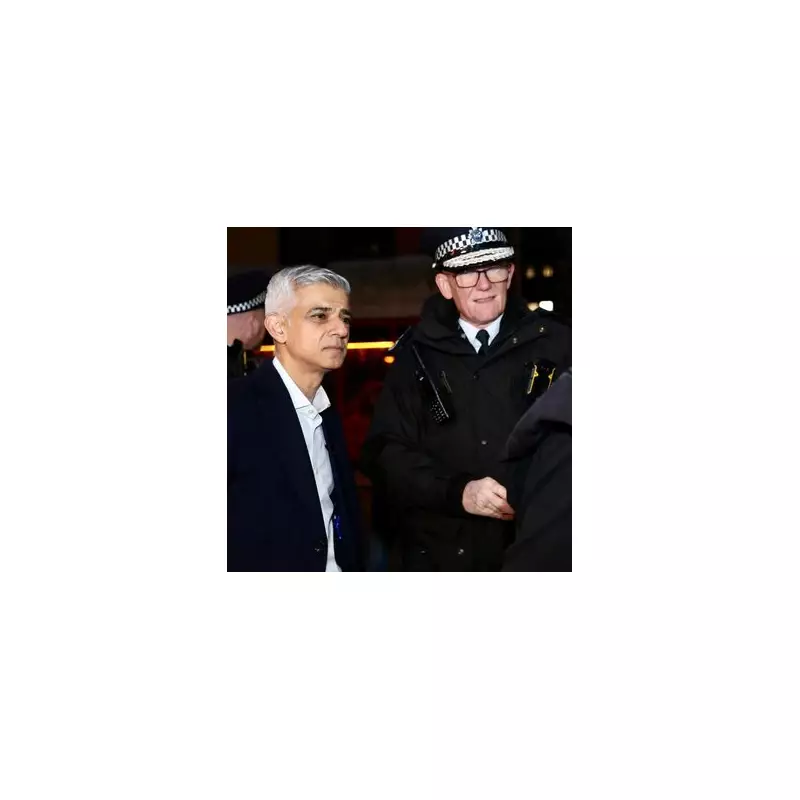
London Mayor Sir Sadiq Khan has acknowledged that these changes could have profound implications for how the Metropolitan Police functions. Speaking to the London Assembly Budget and Performance Committee, he emphasised the need for careful examination of the proposed reforms.

Funding Concerns and Operational Impacts
The Mayor highlighted potential financial consequences, noting that reduced funding for counter-terror operations previously managed by the Met could create ripple effects throughout the entire force. He explained that while much counter-terror funding is ring-fenced, the establishment of a National Police Service would inevitably affect the strategic and national roles currently performed by London's police service.
"The Met Police Service has a huge amount of work in relation to counter-terrorism, and often receives monies as part of the counter-terror support the MPS gives," Sir Sadiq told committee members. "There can be no doubt if there is a National Police Service, it'll have implications for the strategic and national roles the MPS does."
Collaborative Approach to Implementation
Metropolitan Police Commissioner Sir Mark Rowley has been working closely with the Home Office on the proposals, both contributing expertise to the National Police Service design and assessing potential impacts on his own force. Sir Sadiq confirmed he would be examining the detailed reforms alongside Sir Mark to ensure they don't adversely affect policing in London.
While acknowledging there would likely be "some downside," the Mayor emphasised the importance of thoroughly reviewing the proposals and listening to the Home Secretary's detailed plans. He suggested that any significant impacts on the Met would take time to materialise and wouldn't affect the force's budget for the 2026/27 financial year.
Broader Reform Context and Support
The proposed changes come amid ongoing discussions about police funding and effectiveness. Ben Priestley, national officer for policing at trade union UNISON, warned that successful reform would require "significant investment," noting that forces face a projected £1 billion budget shortfall by 2027.
Sir Mark Rowley has previously expressed support for removing national counter-terrorism responsibilities from the Metropolitan Police. A joint statement from the Met Police, counter-terrorism policing, and the National Police Chiefs' Council welcomed the "ambitious step" while emphasising the importance of maintaining strong local connections.
"This transformation must be delivered with care," the statement cautioned. "Its success depends on maintaining strong connections with local policing and the communities we serve. Neighbourhood officers remain indispensable in disrupting organised crime and countering terrorism."
Looking Ahead
As Londoners prepare for council tax increases to address a £60 million funding gap in Metropolitan Police operations, the proposed National Police Service adds another layer of complexity to policing discussions in the capital. The coming months will see detailed consultations and planning as the government seeks to implement what it describes as a "modern policing response" to contemporary crime challenges.