

The UK's landmark National Security Act contains espionage offences so broadly defined they risk causing "real harm" through wrongful investigations and could stifle journalism, political debate, and protest, an independent legal review has concluded.
Broad Powers Risk Damaging Legitimate Activity
In his first report on state threats legislation, Jonathan Hall KC, the independent reviewer appointed by the Home Secretary, warned that the 2023 law must be closely monitored against "misuse and overreach". He stated it unavoidably draws police into wide areas of public life.
"Unless exceptionally well exercised, the UK’s novel and wide-ranging powers will result in cases of real harm where an individual is wrongly arrested or investigated, however well-intentioned," Hall wrote in the report laid before Parliament.

The Act was introduced to reform Britain's outdated Official Secrets Acts, the first dating from 1911. Archaic language had made prosecuting some modern spy cases impossible, such as the recent case of Christopher Cash and Christopher Berry, accused of spying for China.
Journalism, Thinktanks, and Protest in the Crosshairs
Hall highlighted the new offence of foreign interference as particularly concerning. This broadly drawn crime could encompass lobbying, journalism, marketing, humanitarian aid, and social media if done with the intention of benefiting a foreign power and involving some misrepresentation.
He warned this could theoretically affect thinktanks or journalists arguing in the media for policies like sending arms to Ukraine or Israel, increasing foreign aid, or changing trade relations with China. It could also impact "foreign-funded NGOs or journalists who use deception... to expose corrupt individuals".
While confident prosecutors would avoid borderline cases, Hall feared "editors and trustees of newspapers and thinktanks … will be stalked by fear of national security offending, and trim their conduct accordingly".
Protest Powers Lack Safeguards
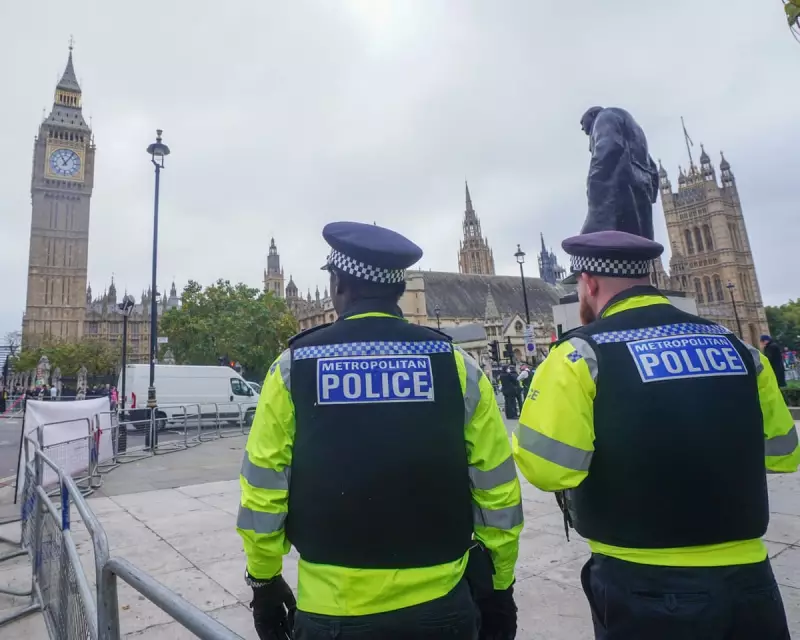
The review also criticised new police powers to "require individuals to leave areas adjacent to prohibited places", such as military bases and intelligence facilities. Hall found "insufficient safeguards... to prevent unjustified incursions into public protest" and recommended creating a statutory code of practice for police.
Hall's warning comes as counter-terrorism police conduct a National Security Act investigation linked to Sheffield Hallam University, which halted research by Professor Laura Murphy on human rights in China following demands from Beijing.
The central tension identified is that while the old laws were too narrow, the new Act risks being excessively wide, potentially criminalising legitimate political and journalistic activity under the banner of national security.






