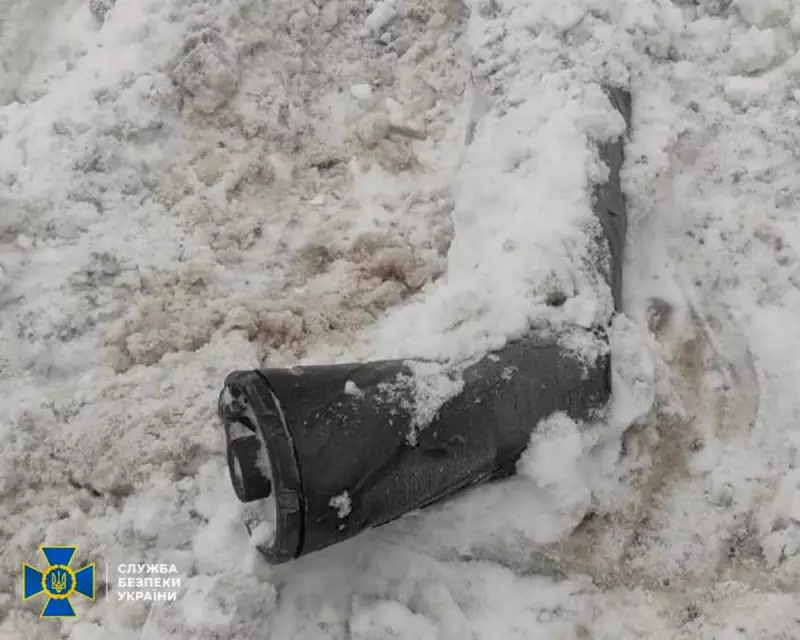
A new Russian missile, identified as the "Oreshnik," has become the focal point of international outrage following a deadly strike on Ukraine. The incident prompted a tense emergency session of the United Nations Security Council, where Western nations condemned Moscow's actions in the strongest terms.
UN Security Council Erupts in Condemnation
The emergency meeting, convened on Monday, saw a wave of criticism directed at Russia. Linda Thomas-Greenfield, the United States ambassador to the UN, delivered a powerful rebuke. She accused Russia of deploying a newly developed weapon to inflict maximum terror and suffering on Ukrainian civilians. Her French and British counterparts echoed this sentiment, labelling the attack a blatant violation of international law and a severe escalation in the conflict.
In a defiant response, Russia's UN representative, Vasily Nebenzya, dismissed the allegations. He claimed the strike was a precision operation targeting a legitimate military objective, specifically a Ukrainian army command post. Nebenzya asserted that any civilian casualties were the unfortunate result of Ukraine's alleged practice of placing military assets within residential areas.

The Oreshnik Missile and the Kharkiv Attack
The controversy centres on a missile attack that struck the city of Kharkiv on Saturday. Ukrainian authorities and international observers report that the weapon used was a previously unseen type of cruise missile, now dubbed the "Oreshnik." Initial analysis suggests it represents a significant technological advancement in Russia's arsenal, with improved range and payload capabilities compared to older models like the Kh-101.
The consequences on the ground were devastating. Local emergency services confirmed at least 17 fatalities, including three children, with dozens more injured. The strike demolished a residential apartment block and severely damaged a neighbouring hospital, crippling local healthcare capacity. Rescue operations continued for over 48 hours as teams worked to clear rubble and search for survivors.
International Repercussions and Future Stalemate
The attack and the subsequent diplomatic clash at the UN have significantly heightened global tensions. Western diplomats warned that the use of such advanced weaponry against urban centres marks a dangerous new phase in the war. There are growing calls for stricter sanctions and increased military aid to Ukraine to help it counter these emerging threats.
However, the emergency session concluded without any concrete action, highlighting the deep and persistent divisions within the Security Council. With Russia holding veto power as a permanent member, any resolution directly condemning its actions was impossible to pass. This diplomatic deadlock underscores the severe limitations of the UN in resolving the Ukraine conflict and points towards a prolonged period of military and political stalemate.
The introduction of the Oreshnik missile signals Russia's continued adaptation and escalation of its warfare tactics. As the international community grapples with how to respond, the people of Ukraine face an increasingly lethal and technologically advanced threat on their doorstep.