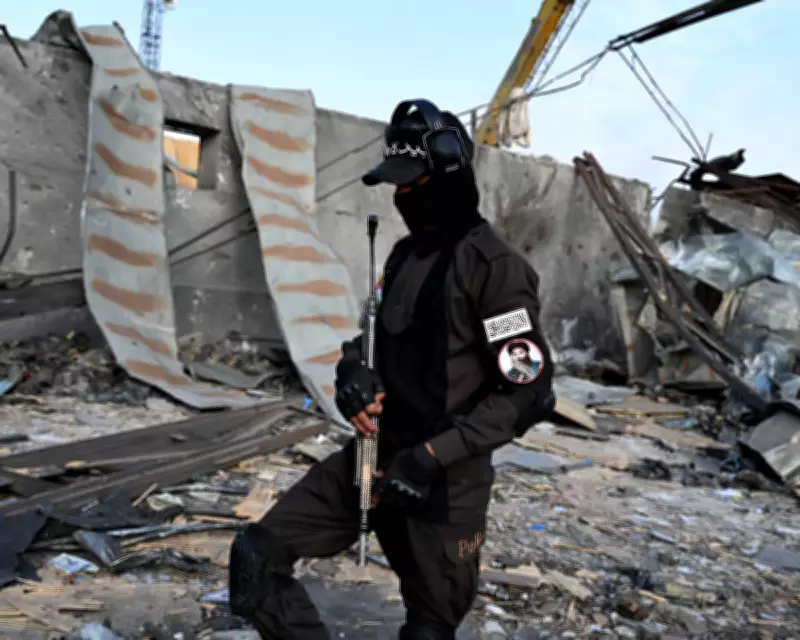
Pakistan Conducts Airstrikes on Taliban to Mitigate Terror Risks
In a significant military operation, Pakistan has executed a series of airstrikes targeting Taliban strongholds, with the primary objective of dismantling terrorist infrastructure and averting potential attacks. Government officials have emphasized that this offensive is a proactive measure to enhance national security, though they acknowledge the substantial financial and logistical burdens associated with such campaigns.
Strategic Objectives and Operational Details
The airstrikes, carried out by the Pakistan Air Force, focused on remote regions where Taliban militants are known to operate. Military sources report that the strikes aimed to disrupt command centers, weapon caches, and training facilities, thereby weakening the group's capacity to orchestrate violence. This move comes amid intelligence warnings of planned terrorist activities, prompting a swift response to neutralize imminent threats.
Cost Implications and Resource Allocation

Officials have disclosed that the operation incurs high costs, including expenses for aircraft maintenance, munitions, and surveillance technology. The financial strain is compounded by the need for continuous monitoring and follow-up actions to ensure long-term effectiveness. Despite these challenges, authorities argue that the investment is necessary to protect civilian lives and maintain regional stability.
Regional Security Context and International Reactions
The airstrikes occur within a broader context of ongoing conflicts in South Asia, where Taliban-affiliated groups pose persistent security challenges. Neighboring countries and international allies have expressed cautious support, recognizing Pakistan's efforts to combat terrorism while urging measures to minimize civilian casualties and collateral damage.
Future Prospects and Continued Vigilance
Looking ahead, Pakistan plans to sustain pressure on terrorist networks through a combination of aerial and ground operations. Security analysts suggest that while airstrikes can provide immediate tactical advantages, a comprehensive strategy involving intelligence-sharing and diplomatic engagement will be crucial for lasting peace. The government remains committed to balancing security imperatives with economic constraints, as it navigates the complex landscape of counterterrorism.