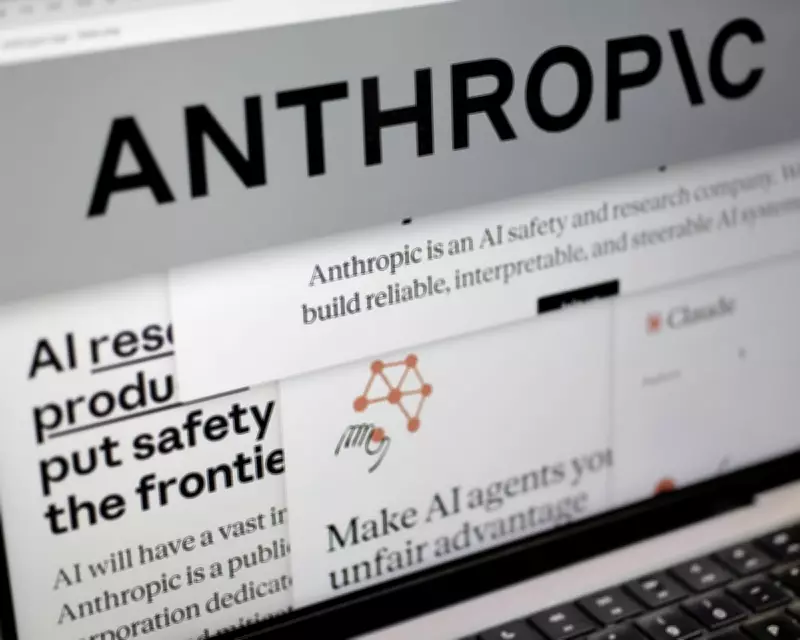
Pentagon AI Procurement Battle Escalates as Anthropic Exits Over Ethical Concerns
The U.S. Department of Defense's push to integrate artificial intelligence into military operations has ignited a fierce ethical and political debate, culminating in a dramatic shift in corporate partnerships. Anthropic, an AI company, has withdrawn from Pentagon contracts due to restrictions on mass surveillance and autonomous weapons, while OpenAI has swiftly moved to fill the void, seizing potentially hundreds of millions in government deals.
Ethical Standoff: Anthropic's Exit and OpenAI's Entry
At the heart of the controversy is Anthropic's insistence that its AI models not be used for "mass surveillance" or "fully autonomous weapons." Defense Secretary Pete Hegseth dismissed these provisions as "woke," leading to a public clash. The situation escalated when former President Donald Trump ordered federal agencies to discontinue use of Anthropic models, prompting OpenAI to strike an agreement with the administration to provide AI for classified systems.
Despite the political bluster, this outcome may benefit both Anthropic and the Pentagon. In a free-market economy, companies and government agencies are free to negotiate within federal contracting rules. However, the Pentagon's vindictive threats, including designating Anthropic as a "supply-chain risk to national security," have added a layer of complexity, potentially barring the company from contracts with government suppliers.

Branding and Market Dynamics in AI Procurement
AI models are becoming increasingly commodified, with top-tier offerings from Anthropic, OpenAI, and Google showing similar performance and minor quality improvements every few months. In such a market, branding is crucial. Anthropic and its CEO, Dario Amodei, have positioned themselves as ethical and trustworthy AI providers, a stance that holds significant market value for consumers and enterprise clients.
OpenAI's CEO, Sam Altman, has vowed to uphold safety principles similar to those Anthropic defended, but how this aligns with the rhetoric of Hegseth and Trump remains unclear. This move risks further politicizing OpenAI's products in the eyes of buyers. For Anthropic, publicly opposing the Pentagon may enhance its reputation among civil libertarians, potentially offsetting lost contract revenue.
The Pentagon's Unique Requirements and Legal Gray Areas
The Pentagon is not a typical customer; it procures lethal equipment like tanks and artillery without ethical guardrails. Its needs involve weapons with increasing automation, raising concerns about autonomous warfare. While this dispute resembles normal market negotiations, the Trump administration's threats to invoke the Defense Production Act could force Anthropic to remove safety features from its AI models, creating legal uncertainties.
Autonomous weapons systems are already a reality, from the Phalanx CIWS anti-missile system to modern military drones. AI will inevitably be used for military purposes, as with all technologies. The key issue is whether democratic structures can impose legal restrictions on such applications.
Renovating Democratic Structures for AI Governance
The lesson here is not about corporate morality but the urgent need to renovate democratic structures in the U.S. If the Pentagon demands AI for mass surveillance or autonomous warfare that the public deems unacceptable, it signals a necessity for new legal restrictions on military activities. Strengthening protections around government procurement is essential to prevent unsafe applications of AI.
The Pentagon should maximize warfighting capabilities within legal bounds, and companies like Anthropic should posture to gain consumer trust. However, neither can be assumed to act solely in the public interest. This clash underscores the critical role of updated laws and oversight in balancing national security with ethical considerations in the AI era.