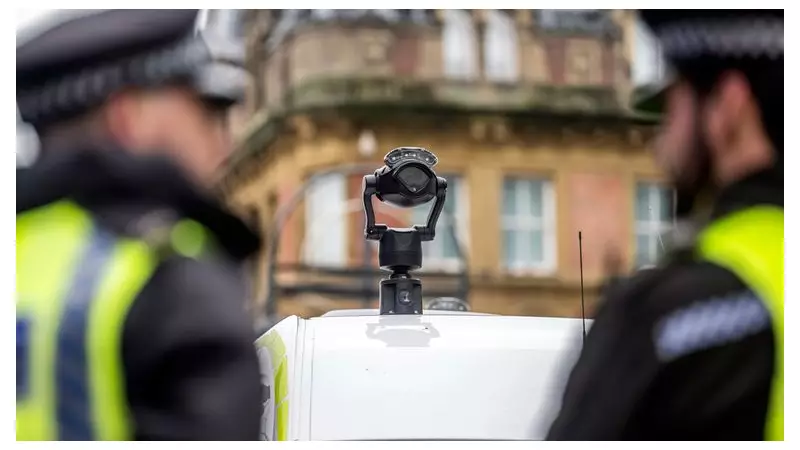
Police to Receive 40 New Live Facial Recognition Vans and AI Assistance in Sweeping Reforms
Home Secretary Shabana Mahmood has announced a major overhaul of policing in England and Wales, including the deployment of 40 new live facial recognition vans and the integration of artificial intelligence tools. This initiative aims to modernise law enforcement, which Ms Mahmood described as currently "fighting crime in a digital age with analogue methods". The announcement was made in the Commons on Monday 26 January 2026, as part of the Government's White Paper on police reforms.
Expansion of Live Facial Recognition Technology
Under the new proposals, the number of live facial recognition vans will increase from the current 10 to 50. These vans are used to:
- Catch individuals on police watchlists.
- Locate missing and vulnerable persons.
- Deter criminal behaviour through visible surveillance.
The technology will be overseen by a national centre on artificial intelligence, ensuring consistent and effective use across forces. This move is part of broader efforts to enhance digital capabilities in policing.

AI Tools to Reduce Administrative Burden
In addition to the facial recognition vans, all police forces in England and Wales will be equipped with AI tools. These tools are designed to:
- Cut down on the time officers spend on desk work.
- Allow more officers to be active on the beat.
- Improve efficiency in crime-fighting operations.
The government has committed to investing over £140 million in these new technologies, signalling a significant push towards digital transformation in law enforcement.
Major Structural Reforms and the National Police Service
The reforms also include sweeping structural changes, such as:
- A significant reduction in the number of police forces from the current 43, aimed at streamlining operations.
- The creation of a National Police Service, dubbed the "British FBI", which will merge existing agencies like the National Crime Agency and Counter Terror Policing.
- Establishing local policing areas for each town, city, or borough, with a commitment to introduce 13,000 extra neighbourhood officers by 2029.
Ms Mahmood emphasised that "crime has evolved - but police forces haven't", highlighting the need for more digital, cyber, and forensic specialists to tackle modern threats like fraud and organised crime on the dark web.
Political Response and Criticisms
Shadow home secretary Chris Philp responded critically in the Commons, arguing that the plans fail to address falling total police numbers under the current Labour government. He warned that proposed mergers could lead to forces covering vast areas, potentially making them "remote from the communities they serve" and drawing resources away from smaller towns and villages.
Ms Mahmood countered by pointing out that the Conservatives had previously cut police numbers by 20,000, leading to a distorted recruitment effort that left many officers in desk roles. She defended the reforms as necessary to bring policing into the digital era and improve public safety.
Timeline and Implementation
Work on establishing the National Police Service is set to begin this year, with completion expected in the next parliament. A review will assess how many regional forces to cut, reporting back in the summer, and some mergers are anticipated to take place before the next election. These changes represent what the Home Office calls the biggest reform to policing since its professionalisation two centuries ago.