Protecting Global Shipping from Iran's Attacks in the Strait of Hormuz
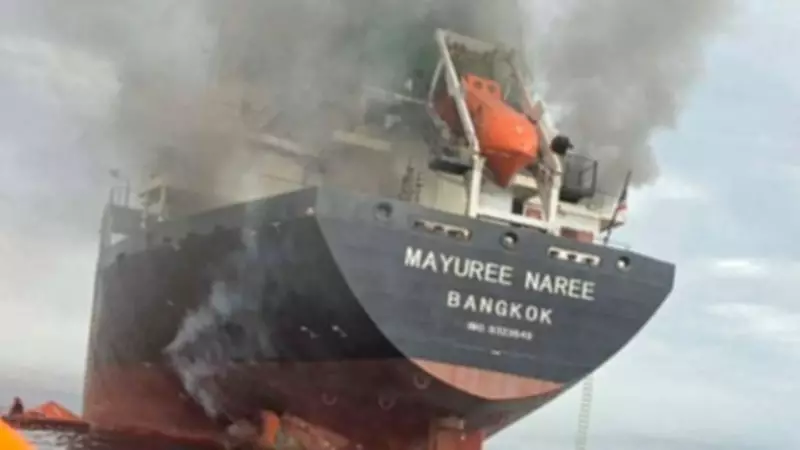
Friday 13 March 2026 15:55, UK – A fifth of the world's oil and gas trade passes through the Strait of Hormuz, a narrow shipping lane of immense economic significance. Iran, facing sustained joint attacks from the US and Israel, is retaliating by targeting maritime traffic in this crucial waterway, which is just 24 miles wide at its narrowest point. This aggressive move threatens global markets, affecting not only energy supplies but also derived products like fertiliser, plastics, and composite materials.
What Is Happening in the Strait of Hormuz?
The Strait of Hormuz separates the Gulf States from Iran and serves as a vital conduit for global trade. Iran is employing a range of weapons to disrupt shipping, including sea and air drones, anti-ship mines, missiles, submarines, and GPS jamming to undermine navigation systems. This has led to maritime traffic nearly coming to a standstill, raising urgent questions about how to protect commercial vessels in the region.
Potential Military Responses from America
Former President Donald Trump has suggested that US warships could escort commercial shipping through the strait "if necessary." However, military expert Michael Clarke expressed skepticism during a Sky News Q&A session, noting that there are never enough warships to escort all tankers through such a difficult passage. He also doubted the feasibility of equipping oil tankers with self-defense systems against drones, as this would require extensive radar and target acquisition technology.

Trump further proposed that the US provide insurance and guarantees for shipping at a reasonable price, but Clarke highlighted that the $20 billion allocated by the American government is insufficient given the potential costs. Clarke suggested alternative strategies, such as deploying a "gun line of air defence destroyers" along the Gulf facing the Iranian coast, supported by air power to attack threats. However, he warned that Iran might welcome such an escalation, as it could draw the US into ground-level conflicts and increase disruption risks.
Official Statements and Ongoing Efforts
General Dan Caine, the highest-ranking military officer of the US armed forces, stated in a press conference that efforts are focused on degrading Iran's capability to disrupt shipping. This includes targeting Iran's minelaying capabilities, naval bases, depots, and missiles that could influence the straits. While he claimed the Iranian navy has been rendered combat ineffective, he acknowledged that Iran still possesses attack capabilities at sea, and work on this effort continues.
Technological Defenses: Jamming and Navigation Disruption
Dr. Ramsey Faragher, director of the Royal Institute of Navigation, suggested that jamming GPS navigation systems could serve as both an attack and defense mechanism. He noted that multiple countries, including Iran and its neighbors, may be using this technology in the Gulf to interfere with drone strikes. Disrupting navigation signals is considered one of the cheapest and most effective first lines of defense against such attacks.
Can Shipping in the Strait of Hormuz Be Protected?
With maritime traffic severely impacted, it remains uncertain whether current military and technological efforts can effectively safeguard shipping in the Strait of Hormuz. The situation underscores the complex challenges in securing one of the world's most critical trade routes amid ongoing geopolitical tensions.