Mass Protests in Tehran as US-Israel War on Iran Enters Sixth Day
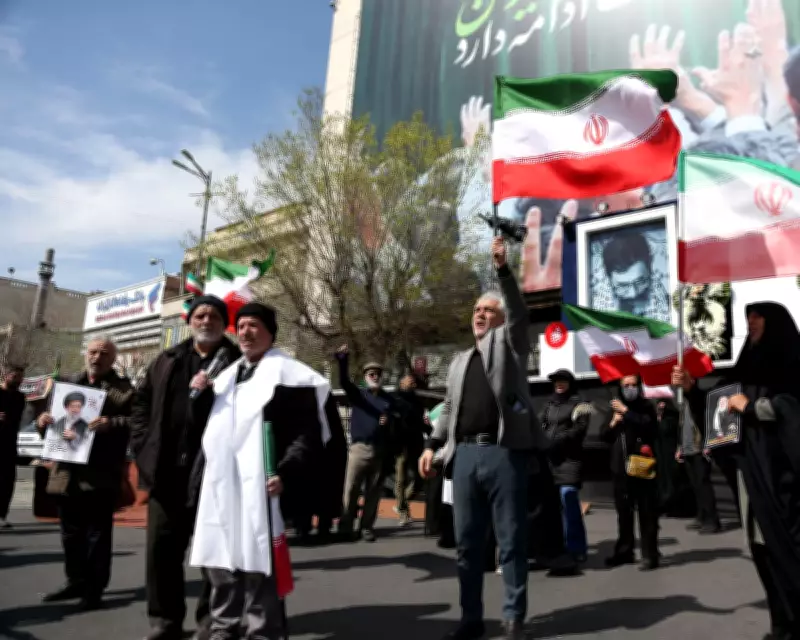
Thousands of Iranians have taken to the streets of Tehran in furious protests against ongoing US and Israeli military attacks, as the widening war enters its sixth day of intense conflict. The demonstrations come amid reports that US forces are prepared to provide air support to Kurdish fighters if they enter the escalating confrontation.
Kurdish Involvement and Regional Escalation
According to Kurdish officials speaking to the Associated Press, Kurdish Iranian dissident groups based in northern Iraq are actively preparing for potential cross-border military operations into Iran. The United States has reportedly asked Iraqi Kurds to support these groups, raising significant concerns among regional experts.
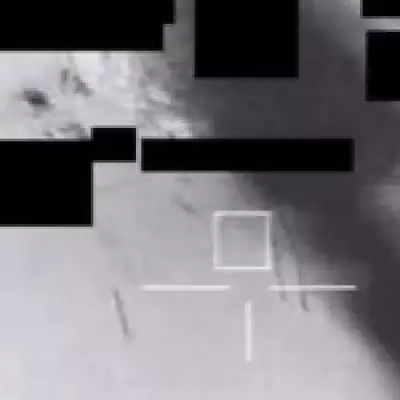
Intense waves of airstrikes have targeted dozens of military positions, frontier posts, and police stations along northern sections of Iran's border with Iraq. This appears to be preparation by US and Israeli forces for opening a new front in their expanding war against Iran.

Warning of a "Hornet's Nest"
Security experts have warned that backing armed groups from Iran's diverse ethnic communities could "open up a hornet's nest," potentially aggravating existing divisions within the country. This strategy increases the risk of a chaotic civil war should the current Iranian regime collapse under military pressure.
Mojtaba Khamenei, second son of the assassinated Supreme Leader Ali Khamenei, is now heavily tipped to succeed his father. This would place a hardliner at the helm during Iran's most turbulent period in 48 years, signaling the regime's intention to maintain its current course despite mounting international pressure.
Military Developments and International Response
A US submarine torpedo sank the Iranian warship Iris Dena off the south coast of Sri Lanka, killing at least 87 Iranian sailors. The frigate was returning from Indian naval exercises in international waters when attacked, raising questions about whether Washington's goal of eliminating Iran's military breaches international law.
Iran retaliated with missile launches targeting Israel early Thursday, triggering air sirens in Tel Aviv and Jerusalem. This occurred shortly after Israel announced new strikes against Iranian-backed Hezbollah militants in Beirut's southern suburbs.
Governments worldwide are urgently organizing citizen evacuations from the Middle East, chartering jets and deploying military aircraft through key exit points including Oman, Egypt, and Saudi Arabia.
US Military Capacity and Political Divisions
Top US military officials warned lawmakers in a closed-door briefing that they may not be able to intercept every Iranian drone targeting military installations. General Dan Caine, chair of the joint chiefs of staff, acknowledged Iran's deployment of thousands of one-way attack drones, stating US forces could eliminate most but not all of them.
Senate Republicans rejected a war powers resolution that would have required President Donald Trump to seek congressional approval before continuing military operations against Iran. Democrats had argued the campaign violates international law and risks prolonged US involvement.
White House Response and Conflict Timeline
The White House pushed back against questions regarding US involvement in the bombing of an Iranian girls' school that killed 175 people. Press secretary Karoline Leavitt declined to accept US responsibility while noting Pentagon investigations are ongoing.
Defense Secretary Pete Hegseth indicated the conflict could extend up to eight weeks, though he declined to specify an exact timeframe. He emphasized the US possesses sufficient munitions and equipment to prevail in a war of attrition against Iran, with additional jet fighters and bombers arriving in the region.
Economic Impact and Energy Markets
US Energy Secretary Chris Wright described the conflict's impact on energy markets as temporary and a "small price" for achieving military objectives. US-Israeli strikes and Iranian responses have paralyzed shipping through the Strait of Hormuz, disrupting vital Middle East oil and gas flows while driving energy prices higher.

President Trump has pledged to provide insurance and naval escorts for energy-exporting ships from the region to contain soaring costs, as the widening war continues to reshape geopolitical dynamics across the Middle East.