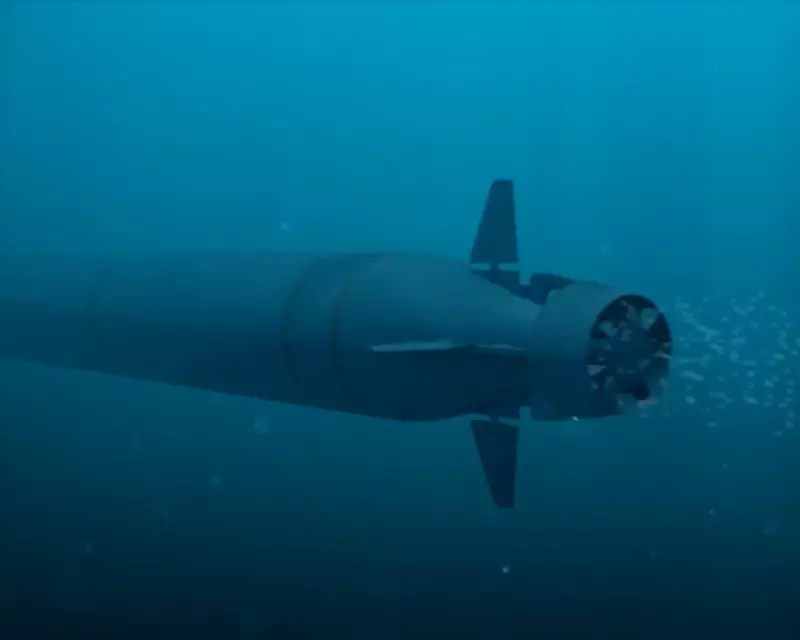
In a chilling address that has raised global alarm, Russian President Vladimir Putin has openly boasted about his country's development of a terrifying new nuclear weapon system - the Poseidon torpedo. This nuclear-powered underwater drone is designed to create massive, radioactive tsunamis that could render coastal cities uninhabitable for generations.
The Doomsday Weapon Revealed
During a high-profile speech, Putin confirmed the existence of the Poseidon system, describing it as a formidable new addition to Russia's nuclear arsenal. The torpedo represents one of the most destructive weapons ever conceived, capable of travelling thousands of miles underwater before detonating near enemy coastlines.
The resulting explosion would generate tsunami waves up to 500 metres high, according to Russian state media claims. These waves would not only cause catastrophic flooding but would also spread lethal radioactive contamination across vast areas, creating exclusion zones that could last for decades.

Strategic Implications and Western Response
Military analysts suggest the Poseidon torpedo is designed to bypass traditional missile defence systems by operating deep underwater. This gives Russia a potential first-strike capability that NATO and other Western powers would struggle to detect or intercept.
The timing of Putin's announcement is particularly significant, coming amid ongoing tensions over the war in Ukraine and ahead of crucial international diplomatic meetings. Western intelligence agencies have been monitoring the development of this weapon system for years, but Putin's public confirmation marks a new level of nuclear brinkmanship.
Environmental and Humanitarian Catastrophe
Environmental experts warn that the deployment of such weapons would have consequences far beyond immediate military targets. The radioactive contamination could affect ocean currents, marine ecosystems, and potentially global weather patterns.
"This represents a weapon of mass destruction on an almost unimaginable scale," said one nuclear policy expert. "It's designed not just to destroy cities but to make entire regions uninhabitable for generations, crossing ethical boundaries that have largely been respected since the Cold War."
The international community now faces critical questions about how to respond to this escalation in nuclear rhetoric and capability, with many fearing this could mark the beginning of a new, more dangerous phase in global arms proliferation.