UK Sends Military Aid to NATO Ally Following Drone Incursions
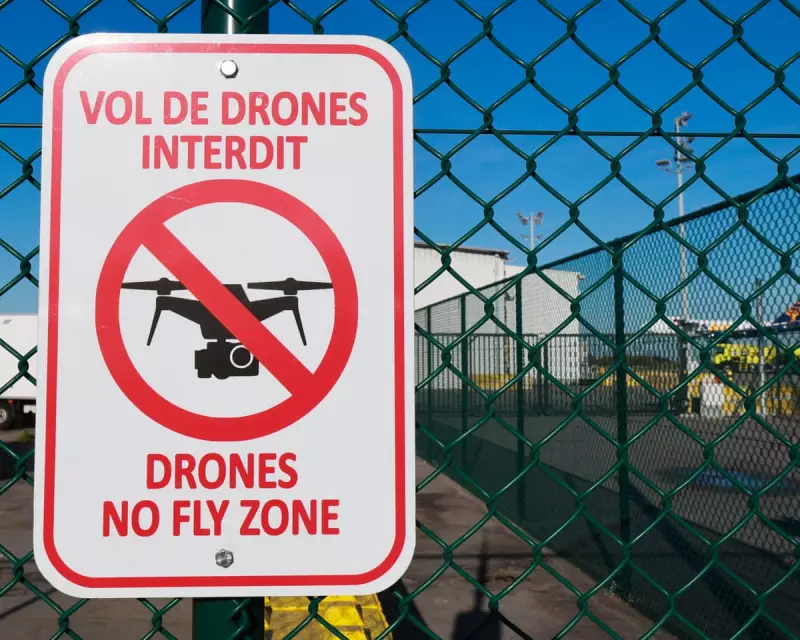
The United Kingdom is deploying Royal Air Force specialists to assist Belgium in countering a series of disruptive drone sightings that brought air travel to a standstill at major airports last week. The decision comes after an official request for assistance from Belgian authorities, with Russia emerging as the most likely perpetrator behind what security experts are calling a campaign of hybrid warfare.
Airport Chaos and Military Response
Flights were severely disrupted at both Brussels and Liège airports last Thursday following multiple unidentified drone sightings. The incursions weren't limited to civilian airports, with similar reports emerging from military bases and nuclear facilities across Belgium. This pattern of disruption represents the latest in a string of similar attacks observed across northern Europe this autumn.
Sir Richard Knighton, the newly appointed head of the UK's armed forces, confirmed the British military would provide both personnel and equipment to support their NATO ally. While speaking in his first television interviews as chief of defence staff, Knighton stated the UK was "very happy" to act in support of Belgium, though he cautiously noted "we don't yet know" the definitive origin of the drones.

International Cooperation and Russian Suspicions
The UK's assistance follows similar moves by other European nations. Germany announced last week it had already sent specialist assistance, with French authorities subsequently providing their own support. Britain's contribution is expected to come from the RAF's dedicated counter-uncrewed aerial systems unit, specifically trained in neutralising drone threats.
Political leaders have pointed to Russia as the primary suspect. Boris Pistorius, the German defence minister, suggested the drone incursions were "likely connected with the fight over the use of Russian frozen assets held by Belgium". This refers to ongoing discussions among EU and UK politicians about how to release approximately €140 billion (£120 billion) in Russian central bank assets, held predominantly in Belgium, to support Ukraine.
Knighton elaborated on the broader threat landscape in his BBC interview, stating that "Russia is the most pressing threat right now" and emphasising the need to strengthen defences against "hybrid warfare, this warfare that's below the traditional threshold". He specifically highlighted threats from cyber operations, space-based capabilities, sabotage activities, and assassination plots on British soil.
Military Challenges and Institutional Reforms
The deployment comes as Knighton acknowledged significant challenges within the UK armed forces. In an interview with Sky News, he confirmed that the military had been "hollowed out" after three decades of budget reductions since the Cold War's conclusion. "We know that we have gaps in things like weapons stockpiles. We know that we don't have all the people that we need," he added when pressed for details.
Defence spending is projected to increase from £62.2 billion this year to £71 billion in 2027-28, aligning with government plans to raise the military budget to 2.6% of GDP during this parliamentary term. However, financial constraints remain due to previous budget limitations, internal overspending, and a significant focus on new equipment acquisition rather than day-to-day operational costs.
Knighton also addressed institutional issues within the military, particularly regarding the treatment of women. He expressed confidence that the armed forces are now "a safe place for women" following reforms implemented after the tragic suicide of Gunner Jaysley Beck. The 19-year-old soldier took her own life in 2021 after being sexually assaulted by a senior colleague and subjected to persistent harassment from another line manager.

Describing it as "a horrible case", Knighton stated: "I can understand why Jaysley Beck's mother has said that. What happened to Jaysley was entirely unacceptable. It was criminal. She was let down." He outlined several changes introduced since the tragedy, including the establishment of an independent defence serious crimes unit and a victim and witness care unit, with victims now able to choose whether serious sexual assault cases are handled in military or civilian courts.