Royal Navy Destroyer Delayed as French Frigate Secures Cyprus Waters
A Royal Navy destroyer will not arrive in Cyprus until next week, leaving a French frigate already positioned off the island's coast. This deployment delay comes as Cyprus faces targeted attacks due to the presence of British military forces, with Iranian proxies believed responsible for recent strikes on RAF Akrotiri.
Defence Secretary Refuses to Rule Out Offensive Operations
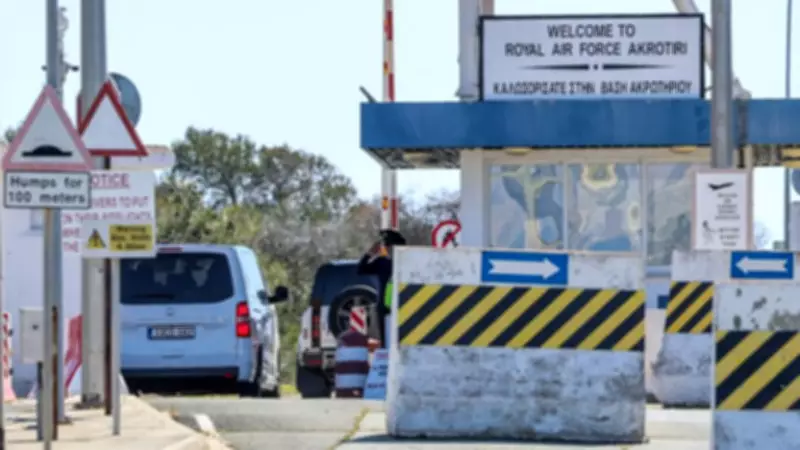
Defence Secretary John Healey has repeatedly declined to exclude the possibility of British aircraft participating in offensive operations over Iran in the coming weeks. During his visit to RAF Akrotiri, Healey was forced into a windowless room as air raid sirens sounded across the base, highlighting the immediate threat to British personnel.
The warning system at RAF Akrotiri remains relatively unsophisticated, triggering alarms out of caution rather than confirmed incoming threats. However, this precautionary measure underscores the genuine danger facing the island, situated perilously close to Lebanon and Iranian proxy Hezbollah forces.

Drone Attack Exposes Vulnerabilities
On Sunday, a small drone managed to penetrate base defenses, flying undetected at low altitude over the sea. The drone successfully struck a hangar typically used to house American U2 spy planes, creating significant damage. This was likely not a random strike, as the targeted hangar with two U2 aircraft parked outside remains clearly visible on Google Maps satellite imagery.
When questioned about deployment timing, Healey suggested he had options for weeks, though defense sources later revealed the Royal Navy only presented the destroyer option on Tuesday. Regardless of responsibility for the delay, the result leaves Cyprus vulnerable as the French frigate Languedoc, based in Toulon, has already taken position near the island.
British Military Preparations and Policy Shifts
Britain implemented several defensive measures before the conflict with Iran escalated:
- Six F35 jets deployed to complement eight permanently stationed Typhoons
- Ground-based short-range air defense systems activated
- Wildcat helicopters with drone detection capabilities scheduled for weekend arrival
Senior military commanders acknowledge the rapid pace of recent events, though tensions had been building for weeks. Iran openly threatened widespread regional attacks in response to perceived provocations.
The British government initially denied American forces access to British bases for strikes against Iran, citing disagreements over the legal basis for military action. This position has since reversed, with London now permitting American operations from British facilities under the justification that such strikes defend regional stability and British interests from Iranian aggression.
When pressed on whether Britain would join offensive attacks against Iran, Healey refused three times to rule out this possibility, signaling potential escalation in British military involvement.
Strategic Implications and Regional Tensions
Attacks on RAF Akrotiri, which hosts American personnel and belongs to Britain, should not have surprised military planners given historical tensions between Britain and Iran. The base represents a significant strategic asset in the Eastern Mediterranean, making it a natural target for Iranian proxies seeking to pressure Western powers.
The delayed destroyer deployment raises questions about British response capabilities, particularly as the French demonstrated quicker mobilization with their frigate already operational near Cyprus. This timing discrepancy highlights potential coordination challenges among allied forces responding to regional crises.
As tensions continue to escalate, the British military presence in Cyprus remains on high alert, with personnel experiencing regular security drills and preparing for potential further attacks. The situation underscores the complex geopolitical dynamics at play in the Eastern Mediterranean, where multiple international powers maintain strategic interests amid ongoing regional conflicts.