Joint Belgian-French Naval Operation Captures Sanctioned Russian Tanker in North Sea
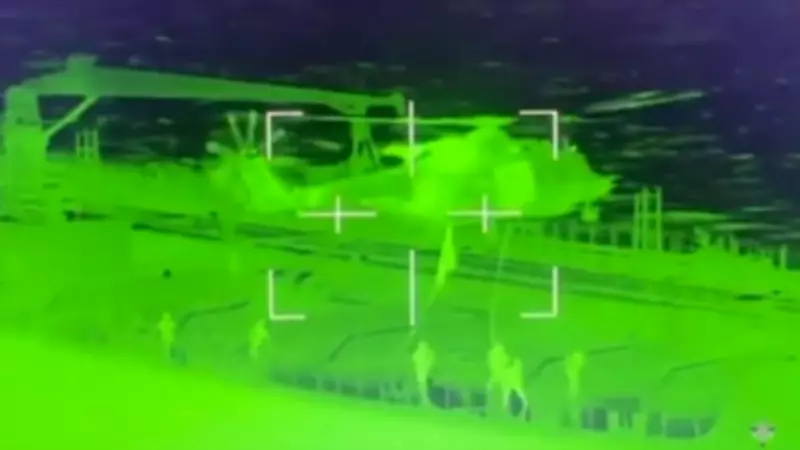
In a significant enforcement action against Russia's efforts to circumvent Western sanctions, a joint Belgian-French military operation has successfully seized an oil tanker suspected of belonging to the so-called Russian shadow fleet. The vessel, identified as the Ethera, was captured in the North Sea and is currently being escorted to the Belgian port of Zeebrugge for further investigation.
Major Blow to Sanctions Evasion Network
French President Emmanuel Macron announced the raid, describing it as "a major blow to the shadow fleet" that Russia has been using to maintain oil revenues despite extensive international sanctions. Posting on social media platform X, Macron detailed that French Navy helicopters assisted Belgian forces in boarding the tanker, which was operating under international sanctions.
"Europeans are determined to cut off the sources of funding for Russia's war of aggression in Ukraine by enforcing sanctions," Macron wrote, emphasizing the strategic importance of disrupting Russia's ability to finance its military operations through oil sales.

Shadow Fleet: Russia's Sanctions Evasion Strategy
The Russian shadow fleet consists of aging, poorly-regulated tankers with opaque ownership structures that Moscow uses to transport oil while avoiding Western sanctions. These vessels typically operate without proper insurance or safety certifications and are prone to mechanical failures, leaks, and environmental hazards.
Belgian Defence Minister Theo Francken revealed that the seized ship was suspected of sailing with "false flag and false documents," a common tactic within the shadow fleet. "Without his shadow fleet Putin can't wage war against innocent Ukrainians. So we take these vessels out. One by one. Till his war of aggression stops," Francken stated, outlining the operational philosophy behind such interdictions.
International Reactions and Legal Proceedings
Ukrainian Foreign Minister Andrii Sybiha welcomed the seizure, urging all international partners to "follow this example, counter Russia's shadow fleet resolutely through sanctions and concrete action, and advance peace through strength." Meanwhile, the Russian embassy in Belgium claimed it had not been notified about the legal basis for the seizure and was seeking information about whether any Russian nationals were aboard the vessel.
Belgium's federal prosecutor's office has opened a formal investigation into the matter, while the Ethera remains on the European Union's sanctions list. This operation follows previous successful interceptions, including the French navy's capture of the tanker Grinch in the Mediterranean in January, which was released only after owners paid a penalty worth several million euros.
Broader Context of Sanctions Enforcement
The seizure represents a growing determination among European nations to enforce sanctions against Russia more aggressively. Previous tanker seizures have been denounced by the Kremlin as "piracy," highlighting the escalating tensions between Russia and Western nations over sanctions enforcement.
As the Ethera makes its way to Zeebrugge under escort, the operation sends a clear message about Europe's commitment to disrupting Russia's oil revenue streams. The aging tanker's capture not only represents a financial blow to Moscow's war efforts but also addresses environmental concerns posed by these poorly-maintained vessels operating in sensitive maritime areas.