Russia's Winter Assault Leaves Thousands Without Heating in Ukraine
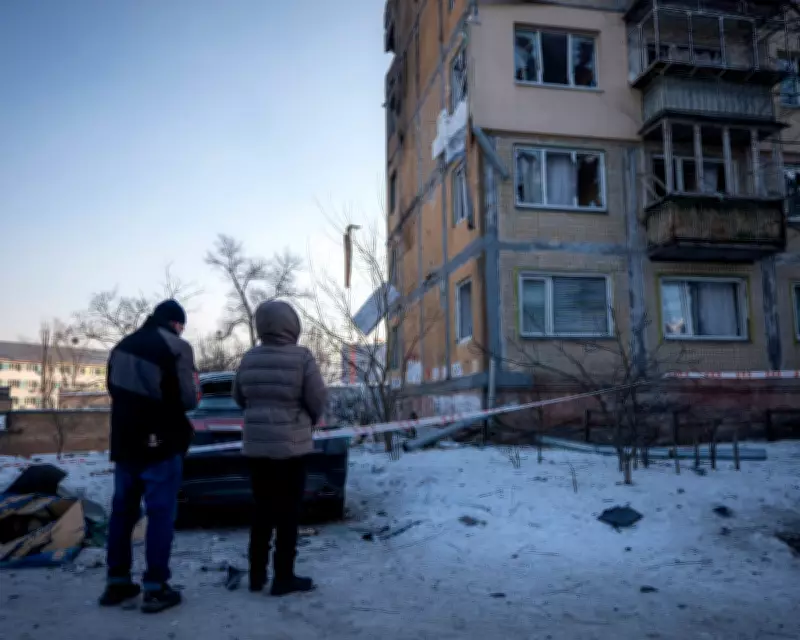
In a chilling escalation of the conflict, Russia launched a massive overnight air attack on Ukraine, firing over 450 attack drones and more than 70 missiles across the country. This assault occurred during one of the coldest nights of winter, with temperatures in Kyiv plummeting to a bitter -20°C, leaving thousands of residents without essential heating.
Widespread Damage and Humanitarian Crisis
The strikes caused significant damage in five districts of Kyiv, injuring at least nine people and setting an apartment ablaze on the upper floors of a residential building. An air raid alert remained in effect for over five hours, with residents reporting a series of loud explosions beginning around 1am.
More than 1,000 residential buildings in the capital were left without heating on Tuesday, creating a dire humanitarian situation. Ukrainian Energy Minister Denys Shmyhal stated that "hundreds of thousands of families, including children, were deliberately left without heating during the harshest winter conditions, with temperatures dropping to -25°C."

Zelenskyy Condemns 'Cynical' Attacks
Ukrainian President Volodymyr Zelenskyy condemned what he called Russia's cynical exploitation of winter conditions to terrorise civilians. "Taking advantage of the coldest days of winter to terrorise people is more important to Russia than turning to diplomacy," he declared, just before the latest round of peace talks scheduled for Wednesday and Thursday in Abu Dhabi.
Zelenskyy called on Western partners to increase the supply of air defence missiles to protect what he termed "normal life" for Ukrainian citizens. He emphasised that "without pressure on Russia, this war will not end. Now Moscow is choosing terror and escalation, and that's why maximum pressure is needed."
Infrastructure Targeted Across Ukraine
The attacks extended far beyond Kyiv, with significant damage reported across multiple regions:
- In Kharkiv, Mayor Ihor Terekhov reported that energy infrastructure had been damaged, leaving more than 800 buildings without heat as water was drained from radiator systems to prevent freezing
- Deputy Prime Minister Oleksiy Kuleba confirmed that 110,000 properties in Kharkiv had lost heating
- Electricity was knocked out in two towns in the Kharkiv region, Izium and Balakliia
- Two apartment buildings were struck in the northern city of Sumy
- Facilities responsible for heating water for distribution to Ukrainian homes were specifically targeted
Symbolic Attack on Cultural Heritage
In a particularly symbolic strike, the attack damaged the Motherland monument in Kyiv, a 62-metre titanium statue from the Soviet era commemorating the Second World War. Ukrainian Culture Minister Tetyana Berezhna described this as both symbolic and cynical, noting that "the aggressor state strikes at a place of remembrance of the struggle against aggression in the 20th century, repeating its crimes in the 21st century."
Peace Talks Amid Escalation
The latest trilateral peace talks in Abu Dhabi take place against this backdrop of intensified attacks. Reports indicate that Ukraine has agreed a multi-tier plan with its allies for enforcing any ceasefire with Russia, discussed in December and January by Ukrainian, American, and US officials.
According to sources involved in the negotiations, a Russian violation of any truce would trigger a response within 24 hours, beginning with diplomatic warnings and potentially escalating to military action if hostilities continued beyond 72 hours.
Russian Propaganda Celebrates Destruction
Russian state media has been openly celebrating the deliberate targeting of Ukraine's energy infrastructure in recent weeks. Prominent presenter Vladimir Solovyov told state television that "we have driven Ukraine into the stone age" and predicted Kyiv would become "a giant cess pool." Such statements highlight the strategic nature of these winter attacks on civilian infrastructure.

The timing of this assault is particularly significant, coming after former US President Donald Trump claimed he had secured a temporary ceasefire from Russian President Vladimir Putin due to the exceptionally cold weather. The Kremlin announced this truce would last only until Sunday, and according to Ukrainian reports, Russia continued firing during this period.
As Ukraine faces one of its coldest winters in recent memory, the deliberate targeting of heating infrastructure represents a new level of humanitarian crisis in the ongoing conflict, with civilians bearing the brunt of the suffering during freezing conditions.