Ukrainian Soldier Declared Dead Returns Alive After Prisoner Exchange
In a remarkable turn of events that has captivated Ukraine, a soldier who was officially declared dead and buried has returned alive after being freed from Russian captivity. Nazar Daletskyi, a Ukrainian volunteer soldier, was presumed killed in action in 2023, with DNA evidence presented to his mother Nataliia Daletska confirming his death. His remains were buried in his home village of Velykyi Doroshiv near Lviv, where Nataliia visited the grave weekly to mourn her only son.
The Phone Call That Changed Everything
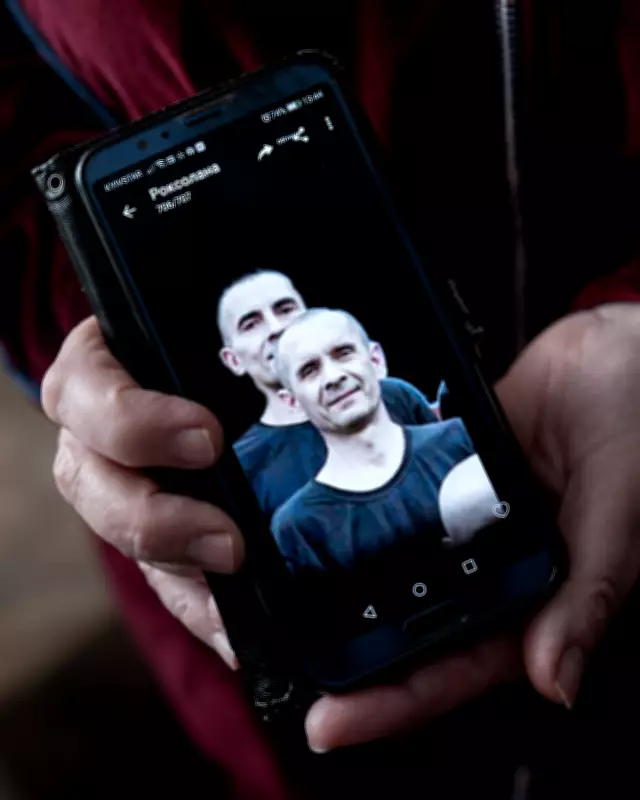
Almost three years after the funeral, Nazar was released as part of a prisoner exchange between Ukraine and Russia. The emotional moment when Nataliia heard her son's voice again was captured in a grainy mobile phone video that quickly went viral across Ukraine. "My God, how long I've waited for you, my precious child," she wailed in the video, expressing a mixture of shock and overwhelming joy. "Do you have arms, legs; is everything in place?"
The video touched a national nerve in a country desperate for positive news amid the ongoing conflict. For Nataliia, the phone call marked the end of a traumatic journey that began when she received the devastating news of her son's supposed death.

A Mother's Three-Year Ordeal
Nataliia's ordeal began in February 2022 when Nazar volunteered for the front lines during Russia's full-scale invasion. After regular phone calls during his deployment, the communication suddenly stopped. She received a chilling call from an unknown person who simply stated: "Your son has been taken prisoner."
For months, Nataliia navigated government offices and non-governmental organizations, desperately seeking information about her son's whereabouts. In May 2023, she received the official notification that Nazar had died the previous September on his 44th birthday. Ukrainian officials in Kharkiv presented DNA evidence they claimed left no room for doubt.
"The DNA is a clear match," officials told her. "If you don't want to take the remains, we can bury him here." Faced with this evidence, Nataliia accepted what she believed were her son's remains, which arrived in two sacks. She organized a proper funeral in their village cemetery, laying Nazar to rest next to his father who had died three years earlier.
The Path to Discovery
Nataliia's acceptance of her son's death was complete. She displayed an enlarged photograph of Nazar in her living room next to a painting of the infant Jesus, gave away his possessions, and even received a posthumous military honor awarded to her son by Ukrainian army chief Oleksandr Syrskyi in May 2024.
Yet something felt incomplete. "In the three years and nine months that he was away, I never dreamed of him once," Nataliia recalled. "I was crying at the grave, saying: 'Why won't you come to me in my sleep?' But he never came."
The breakthrough came in September 2024 when Nataliia's niece visited with astonishing news: two prisoners of war who had returned from Russia reported seeing Nazar alive within the past year. Nataliia immediately went to the police, where new DNA samples were taken. Authorities were baffled by the results, asking if she might have given birth to another son since the DNA match was so precise.
Reunion and Rehabilitation
In early 2025, Ukraine's coordination centre on prisoners of war confirmed Nazar was alive and still held in Russia. In February, Nataliia learned he would be included in a prisoner exchange. The actual moment of confirmation came only when she spoke to him directly after his release.
Remarkably, Nazar had no idea his family believed him dead for three years. When volunteers tried to explain the situation after his release, he initially misunderstood, thinking they were telling him his mother had died during his captivity.
A month after his release, Nazar remains in a rehabilitation center in another region of Ukraine, recovering from his ordeal. While he has alluded to frequent beatings during captivity—a common experience reported by Ukrainian POWs—he focuses on recovery during daily video calls with his mother.

Unanswered Questions and Ongoing Mysteries
One significant mystery remains: whose remains were mistakenly identified as Nazar's? After his reappearance, the remains were exhumed from the Velykyi Doroshiv cemetery and sent for additional testing, with results expected in the coming weeks. Somewhere, another Ukrainian family may soon receive devastating news about their missing relative.
In the village cemetery, the earth where Nazar's grave once stood remains freshly churned. Nearby lies the splintered wooden cross that marked the burial site, along with a metal board painted in Ukraine's blue and yellow colors bearing the slogan: "Heroes do not die."
Nataliia now prepares for her son's eventual homecoming, planning the meals she will cook—milky zatyrka soup, stuffed cabbage leaves, and potato pancakes—and anticipating their reunion hug. "As soon as you get back, I'm going to hug you just as tightly as you hugged me back then," she tells him during their calls, referring to an embrace from years past when she returned from working abroad.
The story of Nazar Daletskyi's return from presumed death has become a symbol of hope and resilience for many Ukrainians, even as it raises difficult questions about identification processes and the ongoing human cost of the conflict.