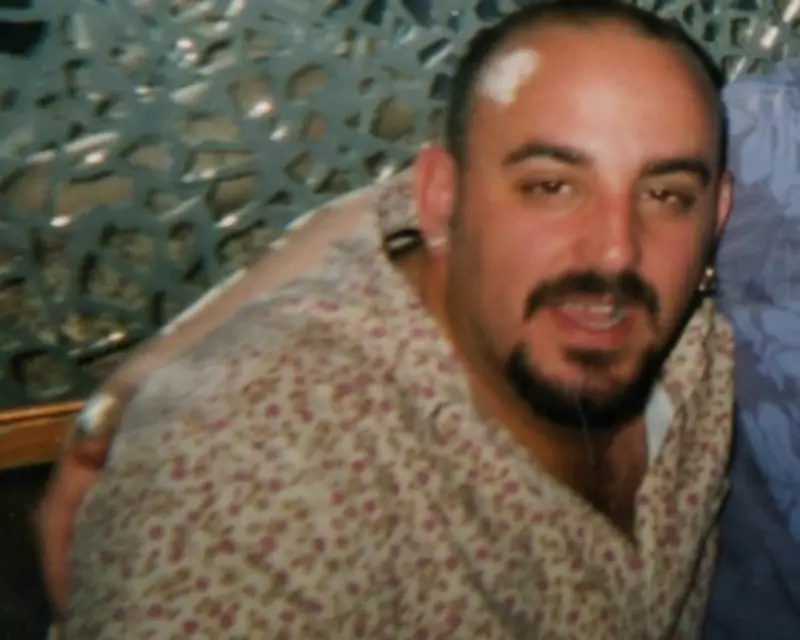
Undercover Police Inquiry Exposes Systemic Failures in Carlo Soracchi Case
The ongoing public inquiry into undercover policing in the United Kingdom has brought to light significant concerns regarding the case of Carlo Soracchi, a former officer whose actions have raised serious questions about the ethical and operational standards within covert units. This investigation, which has been scrutinising the conduct of police spies over several decades, reveals a pattern of systemic failures that have undermined public trust and accountability in law enforcement.
Details of the Carlo Soracchi Investigation
Carlo Soracchi, who served as an undercover officer, is at the centre of allegations involving improper conduct during his deployment. The inquiry has uncovered evidence suggesting that Soracchi engaged in activities that breached established protocols and ethical guidelines, potentially compromising the integrity of police operations. Witness testimonies and documentary evidence presented to the inquiry indicate that his actions may have included unauthorised surveillance and the mishandling of sensitive information, leading to broader implications for the individuals and groups targeted.
Systemic Issues in Undercover Policing
The revelations from the Soracchi case are not isolated incidents but point to deeper, systemic problems within undercover policing units. The inquiry has identified a lack of adequate oversight and accountability mechanisms, which allowed such breaches to occur without timely intervention. Key issues highlighted include:

- Insufficient training for officers on ethical boundaries and legal constraints in covert operations.
- Weak internal controls that failed to monitor and regulate undercover activities effectively.
- Cultural attitudes within some units that prioritised operational success over compliance with laws and human rights.
These factors have contributed to a environment where misconduct could flourish, as seen in Soracchi's case, raising alarms about the potential for similar issues in other undercover deployments.
Impact on Public Trust and Legal Accountability
The findings from the inquiry have significant repercussions for public confidence in the police force. The case of Carlo Soracchi underscores how covert operations, when mismanaged, can lead to violations of privacy and civil liberties, eroding trust between law enforcement and the communities they serve. Moreover, the inquiry's work is crucial for ensuring legal accountability, as it may lead to recommendations for reforms in policing practices and stronger regulatory frameworks to prevent future abuses.
Experts and advocacy groups have emphasised the need for transparency and justice in the wake of these revelations. The inquiry's final report, expected to be published in the coming months, is anticipated to provide detailed insights and propose measures to address the identified shortcomings, aiming to restore integrity in undercover policing.
Broader Context and Future Implications
This inquiry is part of a larger effort to scrutinise historical undercover policing in the UK, with similar cases involving other officers being examined. The Soracchi case serves as a critical example of why such investigations are necessary, highlighting the potential for harm when covert operations are not properly governed. Moving forward, the outcomes of this inquiry could influence policy changes, including enhanced training programmes, stricter oversight bodies, and clearer ethical guidelines for undercover work.
In conclusion, the Carlo Soracchi case within the undercover police inquiry reveals profound systemic failures that demand urgent attention. As the inquiry continues to unfold, it is essential for stakeholders, including the government and police leadership, to heed its findings and implement robust reforms to safeguard against future misconduct and uphold the principles of justice and accountability in policing.