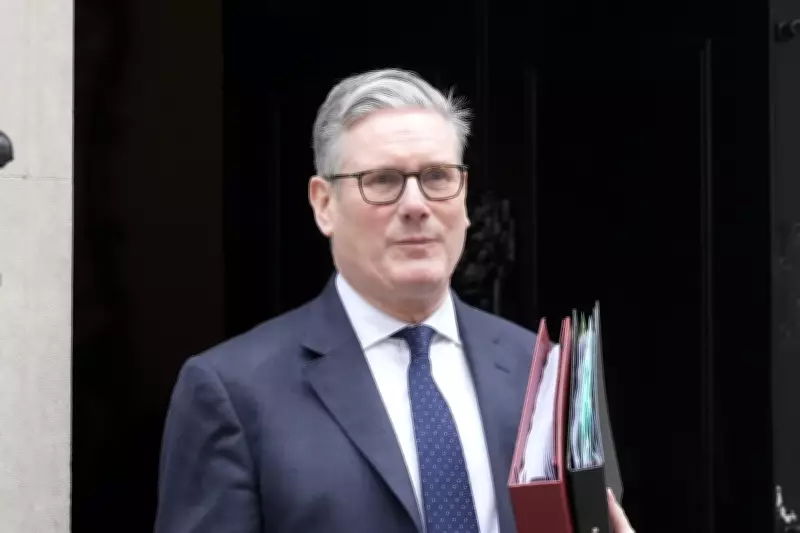
Starmer Withholds Defence Investment Plan Timeline Amid Escalating Tensions
Prime Minister Keir Starmer has firmly declined to disclose the publication date for the government's highly anticipated defence investment plan, pushing back against Conservative criticism over military spending priorities. The refusal comes as escalating conflicts in the Middle East place Royal Air Force jets and British nationals at heightened risk, intensifying political pressure on the administration.
Tory Attacks Focus on Defence Spending Pace
Conservative figure Kemi Badenoch has centered her critiques on what she describes as the government's sluggish response to defence funding and its handling of the Iranian war situation. Badenoch asserted there is "no urgency" in current plans to bolster United Kingdom military capabilities, highlighting a perceived gap in strategic preparedness.
Starmer countered by emphasizing his focus on substantive matters and redirecting attention to previous Conservative administrations. "I won't take lessons on defence from the party opposite," Starmer declared, specifically pointing to Tory backbenchers. He noted, "They cut the defence budget. Not only did they cut the defence budget but they missed army recruit targets."

Funding Proposals and OBR Forecasts
The Conservative opposition has suggested that additional defence resources could be sourced by reallocating National Wealth Fund assets toward supporting the UK armed forces. However, they have not presented a comprehensive strategy detailing how the government should finance increased defence expenditures.
Badenoch also referenced updated projections from the Office for Budget Responsibility, released on Tuesday. These forecasts indicate that under current Spending Review plans, the government will fail to achieve its target of raising defence spending to 2.6 percent of GDP. The OBR estimates that an additional £6 billion commitment by 2029—the year of the next scheduled General Election—would be necessary to meet NATO defence spending targets along the established linear trajectory. The ultimate objective is to elevate defence spending to 3.5 percent of GDP by 2035.
Defence Investment Plan Details Remain Under Wraps
The Prime Minister's official spokesperson declined to reveal when the defence investment plan, originally slated for mid-last year, will be publicly released. This strategic document is expected to outline methods for leveraging private sector financing from the City of London to support UK industrialisation efforts in defence. The spokesperson stated they would not "get ahead" of official announcements, maintaining confidentiality around the timeline.
Regional Threats and Government Response
The renewed emphasis on defence coincides with Iranian missile attacks targeting UK military installations in Cyprus and Bahrain. Starmer has maintained that regional bases are employed solely for defensive operations, stressing the government's reluctance to be drawn into broader conflict. He confirmed that F-35 jets and Typhoon combat aircraft have been actively intercepting Iranian weaponry during hostilities.
Additionally, the warship HMS Dragon is currently docked in Portsmouth for resupply before deployment to Cyprus. Starmer reported that nearly a dozen evacuation flights have been coordinated to extract British citizens from Oman and other affected nations.
Economic Ramifications and Energy Discussions
Meanwhile, Chancellor Rachel Reeves is engaging with executives from BP, Serica, and TotalEnergies on Wednesday. These discussions aim to address the economic consequences of rising energy prices impacting households, a direct result of the ongoing war and its disruptive effects on global energy markets.