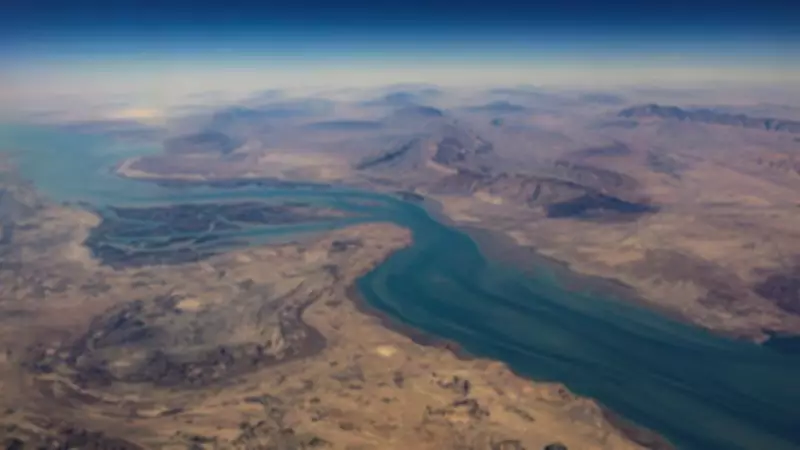
The Strategic Importance of the Strait of Hormuz
The Strait of Hormuz, a narrow 24-mile-wide passage spanning 100 miles in length, stands as one of the world's most critical maritime chokepoints. Situated between Iran to the north and the United Arab Emirates and Oman to the south, this waterway connects the Persian Gulf to the Gulf of Oman and onward to the Arabian Sea and Indian Ocean. Its significance cannot be overstated, as it facilitates approximately one-fifth of global oil trade, translating to a staggering 21 million barrels of oil transported daily.
Economic Implications of a Potential Blockade
Recent developments have heightened concerns over the strait's security, with about 150 tankers currently anchored in open Gulf waters on either side of the passage. This situation raises alarms that Iran could attempt to block the strait, leveraging its strategic position to disrupt international trade. Such an action could have severe repercussions for the global economy, particularly impacting oil prices. Analysts from Goldman Sachs have previously warned that blockades in the Strait of Hormuz could drive oil prices above $100 per barrel, a sharp increase from recent levels below $70. According to the International Monetary Fund, every 10% rise in oil prices correlates with a 0.4 percentage point increase in inflation in advanced economies, underscoring the strait's role in maintaining economic stability.
Iran's Military Capabilities and Tactics
Iran possesses a formidable arsenal that could be deployed to obstruct the strait. Nick Childs, a maritime security expert at the International Institute for Strategic Studies, notes that Iran has developed a considerable array of military assets, including:

- Sea mines
- Fast attack vessels
- Submarines
- Drones
- Missile systems
If utilized in a comprehensive campaign, these capabilities could cause significant disruption to maritime traffic and pose serious hazards to naval units, such as U.S. mine countermeasures vessels tasked with keeping the waterway open. Alternatively, Iran might opt for a more targeted approach, harassing specific ships from countries like Israel, the United States, or other Western nations, rather than enacting a full closure.
Geopolitical Considerations and Risks
Despite its potential to disrupt, closing the Strait of Hormuz would be an extreme measure for Iran. Such a move could alienate key allies and trading partners, including China, a major customer for Iranian oil, as well as neighboring oil-producing states like Qatar and the UAE. The strait serves as the sole maritime outlet for these countries to export their oil to global markets, making any blockade a high-stakes geopolitical gamble. As tensions escalate in the region, the strait remains a focal point of international attention, with its security directly tied to the stability of global energy supplies and economic health.