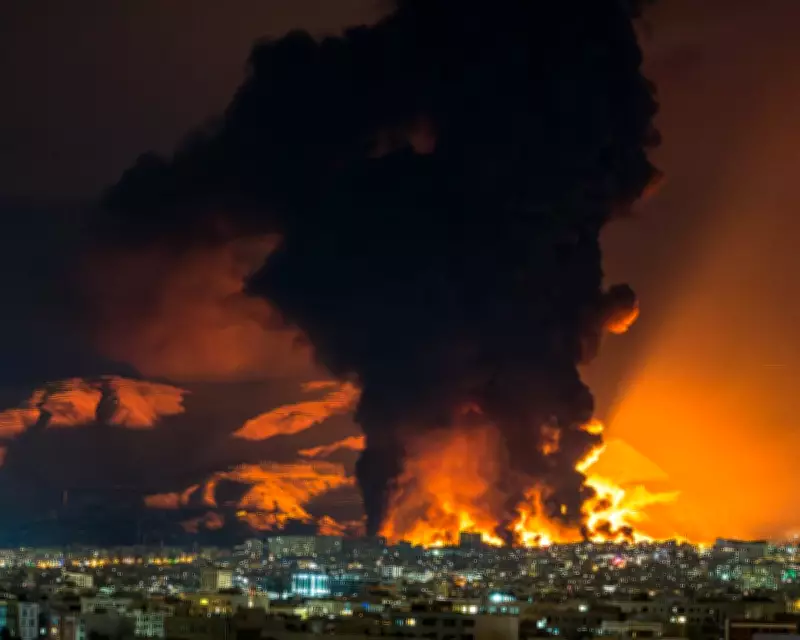
Tehran Diary: The Dark and Bitter Terror of Life Under US Bombardment
In the heart of Tehran, a city once vibrant with culture and history, life has descended into a state of perpetual fear and uncertainty under the relentless bombardment by US forces. This firsthand account, drawn from the diary of a resident, paints a stark picture of the terror that has become an everyday reality for millions. The sounds of explosions echo through the streets, shattering not just buildings but the very fabric of daily existence, as people navigate a world where safety is a distant memory.
The Unending Nightmare of Bombardment
The diary entries detail the constant, nerve-wracking anticipation of the next strike, with residents living in a state of heightened alertness. Air raid sirens have become a grim soundtrack to life, forcing families into makeshift shelters and disrupting every aspect of routine. The psychological toll is immense, with anxiety and trauma seeping into the lives of both young and old. "We sleep with one eye open, always listening for the drones," writes the diarist, capturing the pervasive dread that defines existence under such conditions.
Infrastructure has been severely damaged, with power outages and water shortages becoming commonplace, further compounding the hardships. Hospitals are overwhelmed, struggling to treat the injured amid the chaos, while schools and businesses operate sporadically, if at all. The economic impact is devastating, as livelihoods are destroyed and poverty deepens, creating a cycle of despair that seems unbreakable.

Resilience Amidst the Ruins
Despite the overwhelming terror, the diary also highlights moments of profound resilience and solidarity among Tehran's residents. Communities band together to share resources, offer support, and maintain a semblance of normalcy in the face of adversity. Neighbors check on each other, risking their own safety to ensure no one is left behind, embodying a spirit of unity that defies the destruction. Cultural traditions and small acts of kindness provide glimmers of hope, as people cling to their humanity in the darkest of times.
The diarist reflects on the emotional landscape, noting how fear has morphed into a bitter acceptance, yet tempered by an unwavering determination to survive. "We are not just victims; we are survivors, holding onto our identity and dignity," they write, underscoring the complex interplay of terror and tenacity. This account serves as a powerful testament to the human capacity to endure, even when faced with unimaginable horror.
The Broader Implications of Conflict
Beyond the personal stories, the diary raises critical questions about the long-term consequences of such bombardment on Tehran and its people. The environmental damage, from pollution to destroyed ecosystems, adds another layer of suffering, while the generational trauma inflicted on children promises to shape the city's future for decades. International observers have expressed concern over the humanitarian crisis, calling for urgent action to address the escalating violence and its fallout.
In conclusion, this Tehran diary offers a raw and unfiltered glimpse into the terror of life under US bombardment, revealing a world where fear is constant, but resilience persists. It is a call to acknowledge the human cost of conflict and to seek pathways toward peace and recovery, before more lives are lost to the darkness and bitterness of war.