Texas Anti-ICE Protesters Convicted on Terrorism Charges in Landmark First Amendment Case
In a closely watched legal battle that tested the boundaries of the First Amendment, nine anti-ICE protesters in Texas were found guilty on Friday of providing material support for terrorism and other serious charges. The case marked the first time federal prosecutors have alleged individuals were part of an antifa terrorist cell in a criminal prosecution, raising significant questions about the government's ability to use broad anti-terrorism statutes against leftwing protesters.
The Defendants and Their Charges
The nine defendants – Benjamin Song, Zachary Evetts, Autumn Hill, Meagan Morris, Maricela Rueda, Savanna Batten, Ines Soto, Elizabeth Soto and Daniel Sanchez-Estrada – faced a complex array of charges including providing material support to terrorists, rioting, attempted murder, firearms violations, and explosive charges. While most were convicted on all charges they faced, there were notable exceptions in the attempted murder and firearms charges.
Evetts, Hill, Morris and Rueda were acquitted of attempted murder and firearms charges, while Song was acquitted on two counts of attempted murder but convicted on one. Sanchez-Estrada, who was not present at the protest, faced only a charge of corruptly concealing documents after allegedly moving leftwing zines following his wife's arrest.

The Fourth of July Protest at Prairieland
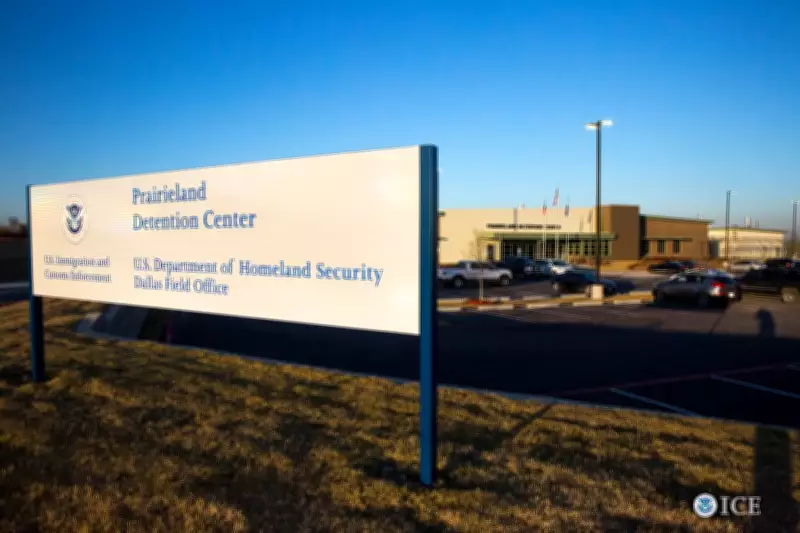
The case centered around a protest on July 4th last year at the Prairieland detention center near Fort Worth. Demonstrators arrived at the facility around 10:30pm, planning a noise demonstration with fireworks to show solidarity with detainees. However, the situation escalated when several protesters vandalized property including cars, a guard shack, and security equipment.
When ICE detention guards and a police officer responded, one protester standing in the woods with an AR-15 shot the officer in the shoulder. The officer survived the attack. Prosecutors argued this was a coordinated ambush using fireworks to lure law enforcement, while defense attorneys maintained it was a peaceful protest that went awry.
Sentencing and Legal Implications
The sentencing ranges are severe, with Song facing a minimum of 20 years and maximum of life imprisonment. Most other defendants face between 10 and 60 years, while Sanchez-Estrada could receive up to 40 years. The DFW Support Committee, which has been advocating for the defendants, called the trial "a sham" built on "political persecution and ideological attacks."
Throughout the trial, prosecutors emphasized the defendants' use of encrypted messaging apps, dark clothing they described as "tactical" gear, and possession of leftwing literature including zines with provocative titles. However, defense attorneys successfully argued that much of this evidence was circumstantial and that the government was punishing protesters for their beliefs rather than their actions.
The Antifa Question and Legal Technicalities
Despite prosecutors' focus on antifa throughout the case, U.S. District Judge Mark Pittman questioned its relevance to the actual charges. "Whether it's antifa or the Methodist Women's Auxiliary of Weatherford, why does it matter?" Pittman asked during the trial, highlighting the gap between the political rhetoric surrounding the case and the technical legal requirements of the terrorism statute.
The statute under which defendants were charged doesn't require connection to a terrorist organization – it merely requires assistance in carrying out specific federal crimes. In this case, prosecutors argued the underlying crimes were damaging government property and attempting to kill law enforcement officers.
Defense Arguments and Future Appeals
Defense attorneys argued vigorously that the government was overreaching, with attorney Cody Cofer stating: "We are thankful that the jury could see through the Government's fear mongering Antifa 'ambush' narrative." Several defense lawyers indicated they would appeal based on First Amendment grounds and sufficiency of evidence issues.

The case has broader implications for protest rights nationwide, particularly following the Trump administration's designation of antifa as a domestic terrorist group – a move made without lawful authority since antifa describes a constellation of leftwing beliefs rather than a formal organization. Some legal experts have equated designating antifa a terror organization to designating Marxism or feminism as terror groups.
As the defendants face sentencing and prepare appeals, this case continues to raise fundamental questions about the balance between national security concerns and First Amendment protections in an increasingly polarized political climate.