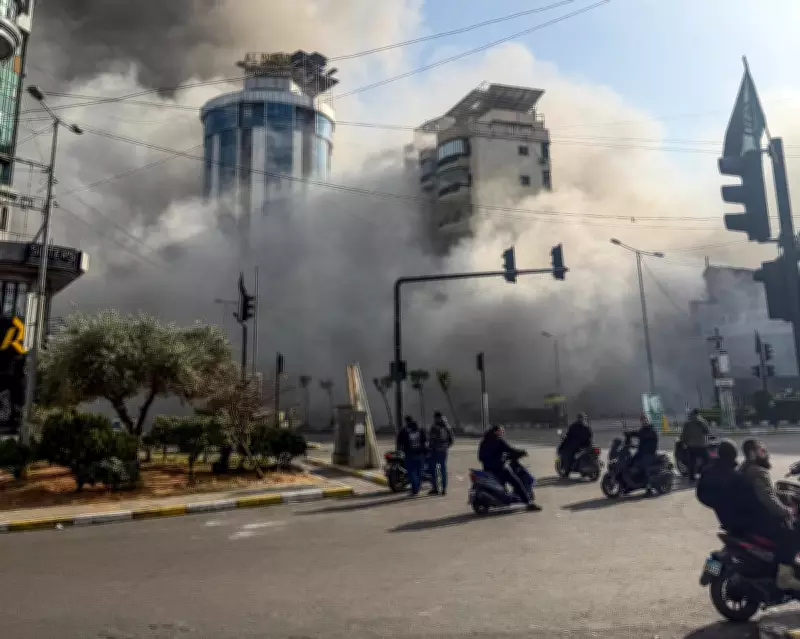
Thousands Flee Beirut Amid Intensified Israeli Bombing Campaign
Thousands of residents have been forced to evacuate Beirut as Israeli airstrikes escalate dramatically, leading to widespread displacement and severe humanitarian concerns in the Lebanese capital. The bombing campaign, which has intensified over recent days, has targeted multiple areas across the city, prompting a mass exodus of civilians seeking safety from the relentless attacks.
Escalation of Airstrikes and Civilian Displacement
The Israeli military has launched a series of airstrikes on Beirut, with reports indicating that the bombings have become more frequent and destructive. This escalation has resulted in significant damage to infrastructure, including residential buildings, commercial centers, and public facilities. As a result, thousands of people have fled their homes, with many seeking refuge in makeshift shelters or moving to safer regions outside the city.
The displacement crisis has overwhelmed local authorities and humanitarian organizations, who are struggling to provide adequate aid and support to the affected population. Emergency services are working around the clock to assist those in need, but resources are stretched thin due to the scale of the evacuation.

Humanitarian Impact and International Response
The humanitarian situation in Beirut is deteriorating rapidly, with shortages of food, water, and medical supplies reported in many areas. Hospitals are operating at full capacity, treating injuries from the bombings and addressing the health needs of displaced individuals. The international community has expressed deep concern over the crisis, calling for an immediate cessation of hostilities to prevent further civilian casualties and displacement.
Diplomatic efforts are underway to de-escalate the situation, but tensions remain high as the bombing continues. Analysts warn that the prolonged conflict could lead to a broader regional instability, affecting neighboring countries and exacerbating existing political and economic challenges in the Middle East.
Background and Context of the Conflict
The recent bombings in Beirut are part of a larger conflict between Israel and militant groups based in Lebanon. Historical tensions and ongoing disputes have fueled the violence, with both sides accusing each other of aggression. The current escalation marks a significant increase in hostilities, raising fears of a full-scale war that could have devastating consequences for the entire region.
Local residents describe scenes of chaos and fear as they flee the bombings, with many expressing uncertainty about when they might be able to return home. The psychological toll on civilians, especially children and the elderly, is profound, with reports of trauma and anxiety widespread among the displaced population.
As the situation unfolds, the priority remains on ensuring the safety and well-being of those affected by the conflict. Humanitarian aid is urgently needed to address the immediate needs of evacuees and to support long-term recovery efforts in Beirut.