Trump Counter-Terrorism Chief Resigns Over Iran War, Blaming Israeli Influence
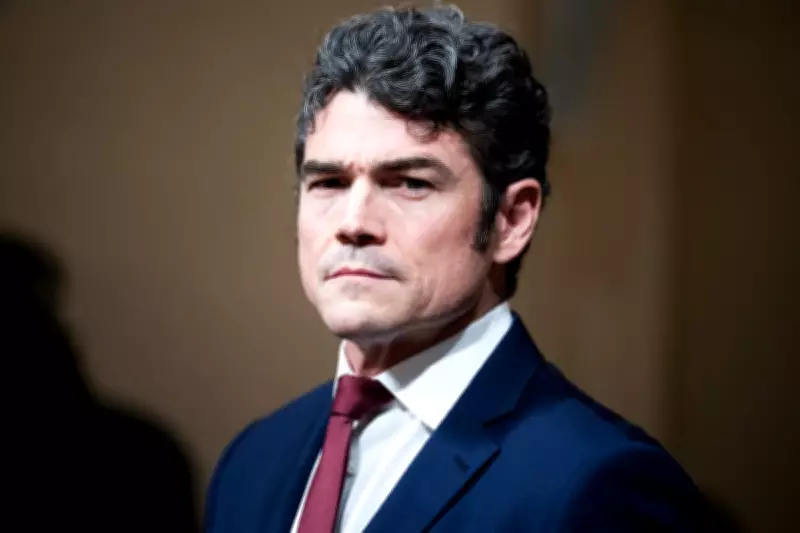
Joe Kent, the director of the National Counterterrorism Center and a prominent far-right political figure aligned with Donald Trump, has resigned from his position in a dramatic protest against the ongoing war in Iran. In a resignation letter posted to social media platform X, Kent declared that he could not in good conscience support the conflict, asserting that Iran posed no imminent threat to the United States and attributing the war to pressure from Israel and its influential American lobby.
Background and Career of Joe Kent
Kent, who served under Director of National Intelligence Tulsi Gabbard, is a former special forces warrant officer with extensive combat experience. His personal history is marked by tragedy; his wife, Shannon Kent, a navy cryptologic technician, was killed in action during a suicide bombing in Manbij, Syria in 2019. Following her death, Kent entered politics, running for Congress in southwest Washington state in 2022 and 2024, though he lost both times to Marie Gluesenkamp Perez. His campaigns were controversial, marred by associations with far-right figures and white nationalists, such as Graham Jorgensen of the Proud Boys and Joey Gibson of Patriot Prayer.
Resignation Letter Details
In his resignation letter, Kent praised Trump's earlier foreign military actions, including the killing of Qassem Suleimani and efforts against ISIS, which he said avoided "never-ending wars." However, he accused the president of abandoning this "America First" platform due to a misinformation campaign orchestrated by high-ranking Israeli officials and American media figures. Kent argued that this campaign deceived Trump into believing Iran was an imminent threat, leading to the war. He drew parallels to the Iraq war, warning against repeating such mistakes and emphasizing the cost in American lives.

Political Controversies and Confirmation
Kent's tenure was not without controversy. He has embraced anti-government conspiracy theories, including claims about FBI involvement in the January 6 Capitol attack and election fraud in 2020. Democrats highlighted these issues, as well as his participation in a Signal group chat with administration officials discussing attacks on Houthi militia, which became a scandal after Jeffrey Goldberg of the Atlantic revealed his accidental inclusion. Despite these controversies, Kent was confirmed in July on a partisan 52-44 vote.
Trump's Response to the Resignation
President Trump responded to Kent's resignation at a White House St. Patrick's Day reception, stating that he had read the resignation statement but did not know Kent well. Trump characterized Kent as "weak on security" and claimed it was good that he resigned, arguing that Iran was indeed a threat and that such individuals are not "smart" or "savvy." This response underscores the administration's stance on the Iran conflict and its dismissal of Kent's criticisms.
Implications and Broader Context
Kent's resignation highlights deep divisions within the Trump administration over foreign policy, particularly regarding Iran and Israeli influence. It raises questions about the decision-making processes leading to the war and the role of external pressures. The incident also reflects ongoing tensions between different factions in U.S. politics, with Kent's far-right associations and conspiracy theories adding layers of complexity to the narrative. As the war continues, this resignation may fuel further debate and scrutiny over America's military engagements and alliances.