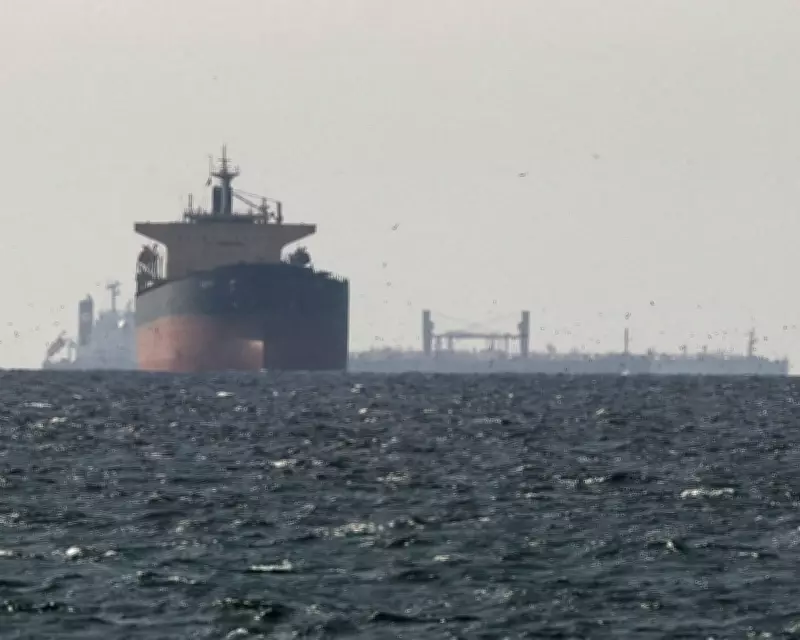
Trump Issues Ultimatum to NATO Allies Over Strait of Hormuz Crisis
US President Donald Trump has issued stark warnings to key NATO allies, threatening that the alliance faces "a very bad future" if member nations refuse to deploy warships to help reopen the strategically vital Strait of Hormuz. The waterway has been effectively closed by Iran in response to recent US-Israeli military actions, creating the largest disruption to global oil supplies in history.
European Nations Reject Military Involvement
Despite Trump's forceful demands, major European powers including the United Kingdom, Germany, France, and Italy have explicitly stated they have no plans to send naval vessels to the region. Australia and Japan have joined this position, creating a significant diplomatic rift between Washington and its traditional allies.
At a Monday press conference, Trump expressed frustration with the lack of cooperation, stating: "Some are very enthusiastic about it and some aren't." He specifically mentioned dissatisfaction with the UK's position while maintaining hope for their eventual involvement.

Iran's Closure of Critical Shipping Lane
The crisis stems from Iran's deployment of drones, missiles, and mines to effectively block the Strait of Hormuz, which typically carries approximately one-fifth of the world's oil and liquefied natural gas. This action represents Tehran's response to what it characterizes as aggressive military actions by the United States and Israel.
European diplomats have emphasized their preference for diplomatic solutions rather than military escalation. Estonian Foreign Minister Margus Tsahkna articulated the European position, stating that allies need to understand Trump's "strategic goals" and questioning: "What will be the plan?"
Contradictory Statements from the President
In a contradictory development, Trump suggested on Sunday that perhaps the United States "shouldn't even be there at all" in the Strait of Hormuz, noting America's domestic oil production capabilities. This comment drew immediate criticism and created confusion about the administration's strategic objectives.
The president attempted to clarify his position, telling reporters: "Really, I'm demanding that these countries come in and protect their own territory – because it is their territory."
Broader Diplomatic and Domestic Implications
Secretary of State Marco Rubio is expected to announce which countries have agreed to support US efforts in the region. Meanwhile, the crisis has created multiple diplomatic complications, including potential impacts on Trump's planned visit to China and ongoing Supreme Court battles over immigration protections.
American citizens in the Middle East have expressed anger at what they perceive as inadequate evacuation planning by the State Department following the outbreak of hostilities. One Trump voter described feeling "betrayed" by the administration's handling of the situation.
The conflict continues to dominate US political discourse, with Trump facing criticism for his handling of multiple concurrent crises while maintaining a confrontational stance toward traditional allies who question his strategic approach to the Iran conflict.