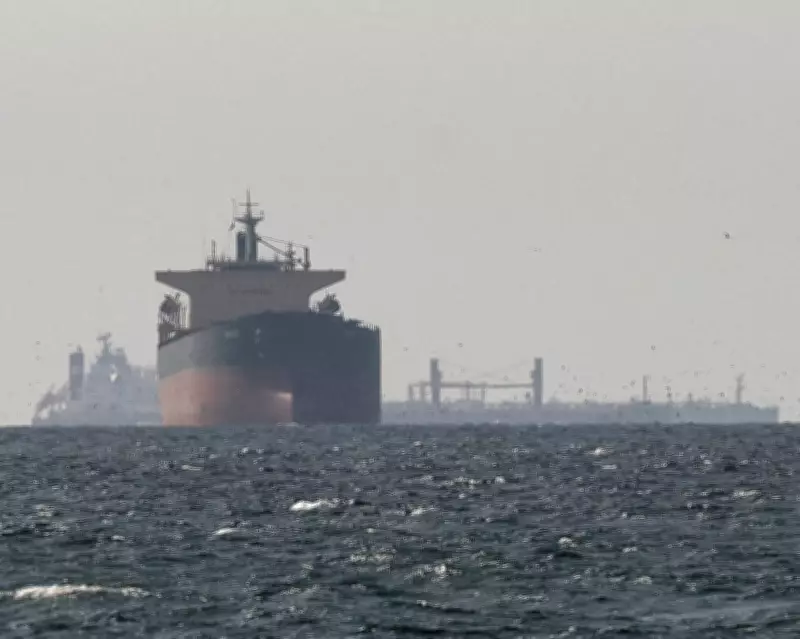
Trump Intensifies Pressure on European Allies Over Hormuz Crisis
President Donald Trump has dramatically increased pressure on European allies to assist in protecting the Strait of Hormuz, issuing a stark warning that NATO's future could be "very bad" if members fail to support Washington's efforts. This move comes as Tehran's effective closure of the vital waterway, in retaliation for US and Israeli airstrikes, has triggered catastrophic disruptions to global energy and trade flows, marking the largest oil supply disruption in history and sending oil prices soaring above $104 a barrel.
Global Response Muted as Allies Resist Naval Deployment
Trump's appeal for allied nations to deploy ships to the strait to safeguard commercial shipping and restore oil supplies has been met with a notably muted response. Key countries including Australia, France, Japan, and the United Kingdom have publicly stated they have no current plans to send naval vessels. In an interview with the Financial Times, Trump emphasized, "It's only appropriate that people who are the beneficiaries of the strait will help to make sure that nothing bad happens there. If there's no response or if it's a negative response, I think it will be very bad for the future of NATO."
European Union foreign ministers are scheduled to discuss bolstering a small naval mission in the Middle East on Monday, but expectations are low for any decision to extend its role to the Strait of Hormuz. Meanwhile, Trump has also suggested he "may delay" a summit with Chinese President Xi Jinping, urging Beijing, an ally of Iran, to help secure the strait. He highlighted that China relies on the waterway for 90% of its oil imports, stating, "We'd like to know before that" summit.

Economic Fallout and Energy Security Concerns Mount
The blockade has precipitated severe economic consequences, with global oil prices continuing to climb as supply chains falter. Japan, the world's fifth-largest economy, has begun tapping into its oil reserves for the first time since Russia's 2022 invasion of Ukraine, releasing 15 days' worth from private sector reserves followed by a month's supply from state-owned stocks. Prime Minister Sanae Takaichi confirmed that Japan does not plan to dispatch naval vessels, citing the political sensitivity of sending self-defence forces abroad in a pacifist nation.
Similarly, Australia's transport minister, Catherine King, firmly rejected the request for naval assistance, stating, "We won't be sending a ship to the Strait of Hormuz." The UK is considering deploying aerial minesweepers to clear mines from the waterway, but officials caution that sending ships could exacerbate the volatile situation. French officials have emphasized their focus on regional stability rather than escalation, while South Korea's presidential office indicated it would make a decision after careful review.
Iran's Stance and Regional Impacts Deepen
Iranian Foreign Minister Abbas Araghchi has projected an image of resilience, denying any interest in negotiations or a ceasefire despite significant losses from US and Israeli airstrikes. "We have never asked for a ceasefire, and we have never asked even for negotiations," Araghchi told CBS, asserting, "We are ready to defend ourselves for as long as it takes." The conflict's toll continues to rise in the Gulf region, with one person killed in Abu Dhabi from a missile strike, bringing the UAE death toll to seven, and Dubai airport temporarily closing due to a drone-related incident.
As the war enters its third week, Trump has not specified a timeline for its conclusion but predicted oil prices will "come tumbling down as soon as it's over, and it's going to be over pretty quick." US Energy Secretary Chris Wright echoed this sentiment, suggesting the conflict could end within weeks. However, with Iran maintaining its bombardment and global allies hesitant to intervene, the crisis shows little sign of immediate resolution, leaving energy markets and international trade in a state of heightened uncertainty.