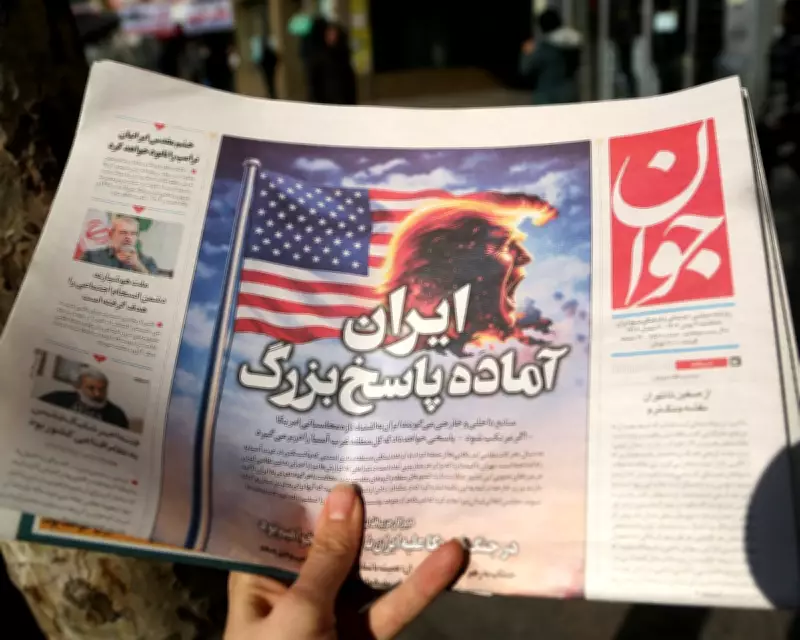
Trump's Volatile Iran Policy: A Recap of Demands and Threats
Statements from US President Donald Trump on Iran have been prominently featured in Iranian newspapers, highlighting the ongoing tensions between the two nations. Over the past month, Trump's approach has shifted dramatically, moving from threats tied to protests to a renewed focus on Iran's nuclear ambitions.
From Protest Protections to Nuclear Ultimatums
Donald Trump has issued a stark warning to Iran, demanding that the country engage in negotiations over its nuclear programme or face potential airstrikes and regime change. This ultimatums caps off a period of aggressive rhetoric and sudden policy reversals from the US president, threatening to open a new and unpredictable chapter in the long-standing and tumultuous relationship between America and Iran.
In just over a decade, this relationship has seen moments of rapprochement, broken agreements, targeted assassinations, and unprecedented military strikes. The latest developments add to this complex history, with Trump's demands creating uncertainty and escalating regional tensions.

A Timeline of Trump's Statements on Iran
Here is a detailed recap of the key events and statements from the last 31 days, illustrating the whiplash-inducing shifts in US policy:
- 29 December: Trump suggested Iran was "building up weapons" again, just months after US strikes on nuclear sites. Speaking alongside Israeli Prime Minister Benjamin Netanyahu, he warned, "we'll knock the hell out of them" if Iran rebuilds, promising consequences "more powerful than the last time."
- 2 January: As Iranians protested in large demonstrations, Trump said the US would "come to their rescue" if protesters were harmed, declaring, "We are locked and loaded, and ready to go."
- 6 January: Trump was photographed with a "Make Iran Great Again" hat, reiterating his threat to intervene if Tehran "violently kills peaceful protesters."
- 10 January: With protest deaths rising, Trump posted on Truth Social, "Iran is looking at FREEDOM, perhaps like never before. The USA stands ready to help!!!"
- 13 January: Trump announced tariffs on countries dealing with Iran, though they were never implemented. He urged Iranians to "keep protesting" and said "help is on the way."
- 14 January: Despite reports of thousands killed, Trump claimed "the killing in Iran is stopping" and no executions were planned, as he reviewed strike options amid lobbying from allies against escalation.
- 22 January: After distractions, Trump returned to Iran, stating "We have a lot of ships going that direction, just in case," as the death toll mounted and the US deployed naval forces.
- 28 January: With US ships in position, Trump threatened Iran, saying they must "make a deal" and will have "NO NUCLEAR WEAPONS," shifting focus away from protests to nuclear issues.
Implications and Regional Reactions
The protest movement in Iran has slowed under a brutal regime crackdown, leading to mass arrests and widespread confusion among Iranians over Trump's sudden policy changes. Middle Eastern allies have lobbied against US strikes, fearing a major regional conflict. Trump's administration has faced criticism for its inconsistent demands, which have ranged from protecting protesters to imposing nuclear constraints.
This period underscores the volatile nature of US-Iran relations under Trump, with each statement potentially altering diplomatic and military dynamics in the Middle East. As tensions persist, the world watches closely to see if negotiations will materialise or if further escalations will unfold.