Trump's Appeal for Allied Protection in Hormuz Meets Tepid Global Response
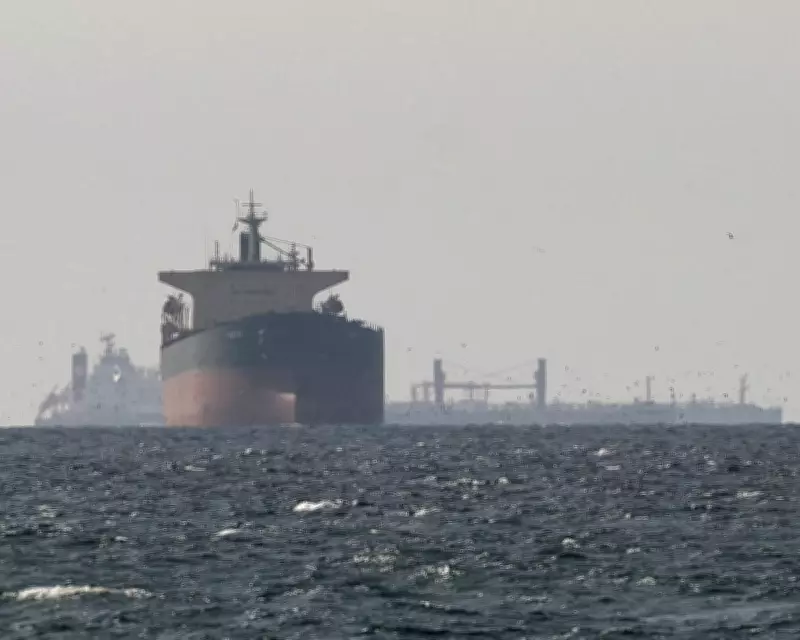
Former US President Donald Trump's recent call for a coalition of nations to send warships to the Strait of Hormuz has been met with widespread skepticism and a notably muted response from key allies. In a post on his Truth Social platform, Trump urged countries including the United Kingdom, China, France, Japan, and South Korea to deploy vessels to this critical waterway, which is currently experiencing violent blockades by Iran. The strait is recognized as the world's busiest shipping route, essential for global oil supplies, making its security a paramount international concern.
Allied Nations Hesitate Amid Strategic Uncertainties
Despite Trump's assertion that "many countries" would participate in keeping the strait open and safe, allies have largely refrained from making firm commitments. The UK, Japan, China, and South Korea have indicated they are still evaluating their options, without offering any concrete pledges. This hesitation underscores the complex geopolitical landscape and the potential risks involved in military deployments to the region.
Adding to the doubts, Germany expressed skepticism through its foreign minister, Johann Wadephul, who commented on Sunday that existing schemes to protect ships from Houthi attacks in Yemen have proven "not effective." This remark highlights broader concerns about the efficacy of such naval missions in volatile areas.

Trump Issues Stark Warning to NATO Allies
In an interview with the Financial Times, Trump issued a dire warning to US allies, suggesting that NATO faces a "very bad" future if they fail to assist in securing the Strait of Hormuz. He emphasized that it is "only appropriate that people who are the beneficiaries of the strait will help to make sure that nothing bad happens there." This statement reflects his ongoing pressure on international partners to share the burden of global security responsibilities, particularly in regions critical to economic stability.
Broader Context: Escalating Tensions and Domestic Criticisms
The call for allied deployment comes amid escalating military actions in the Gulf. Iran has launched fresh missile and drone attacks on Gulf countries and Israel, prompting retaliatory strikes from Israeli and US warplanes. Trump has stated that he is not ready to seek a deal to end the US-Israeli offensive against Iran, believing that Tehran is eager to negotiate a ceasefire but insisting on fighting for better terms.
Domestically, Trump's media chief, Federal Communications Commission chair Brendan Carr, faces backlash for threatening broadcasters with license revocation if they air what the agency deems "fake news" regarding the Iran conflict. Republican Senator Ron Johnson criticized this move, arguing against government control of private enterprise and interference with constitutional free speech protections.
Meanwhile, Democratic Senator Cory Booker has lambasted both political parties as "feckless" for ceding congressional war powers to Trump, warning that this could embolden unilateral military actions against countries like Cuba and North Korea.
Additional Developments in US Politics
In other news, CEOs of major US airlines have urgently called on Congress to end a 29-day partial government shutdown, which has forced 50,000 airport security officers to work without pay, potentially disrupting air travel further. Additionally, hacked data from the Department of Homeland Security's technology incubator reveals funding for companies aiming to expand surveillance capabilities using artificial intelligence, raising privacy concerns.
As global leaders weigh their responses to Trump's proposal, the situation in the Strait of Hormuz remains a flashpoint with significant implications for international trade and security. The lack of immediate commitments from allies suggests a cautious approach, reflecting the intricate balance of diplomacy and military strategy in today's geopolitical arena.