Trump's Iran Ceasefire Expiry Raises Fears of US Ground Invasion
With the two-week ceasefire between the United States and Iran set to expire, concerns are mounting that President Donald Trump could break his long-standing pledge and order a ground incursion into Iranian territory. This move, which Trump has previously vowed to avoid to prevent another "forever war" in the Middle East, now appears increasingly likely as diplomatic negotiations hang by a thread.
Military Buildup and Rising Tensions
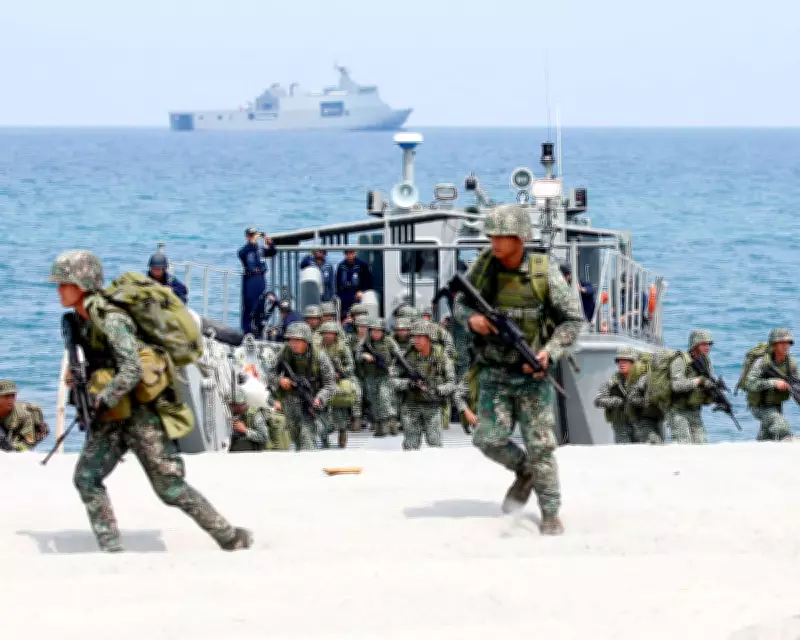
Despite hopes for a peaceful resolution over the past fortnight, the Trump administration has significantly bolstered its military presence in the region. By the end of the month, the deployment of the Boxer Amphibious Ready Group and its Marine corps task force will bring the total additional troops sent since hostilities paused on April 8 to over 10,000. This buildup signals a readiness for potential escalation, according to security experts.
Ali Vaez, the Iran project director at the International Crisis Group, noted, "If we pay more attention to what President Trump does rather than what he says, then a ground invasion is quite likely. He has a history of deploying military assets and using them, and with thousands of troops now in the region, the odds are higher than ever."

Iran's Preparedness and Defiant Stance
Iranian officials have responded with defiance, indicating their readiness for a confrontation. Mohammad Bagher Ghalibaf, the Iranian parliament speaker and chief negotiator in peace talks, stated on Monday that Tehran is preparing to deploy "new cards on the battlefield" if fighting resumes. Analysts suggest that Iran's military has spent years preparing for such a scenario, drawing on lessons from past conflicts.
Abbas Araghchi, the Iranian foreign minister, was aggressively confident when asked by NBC about fears of a US ground invasion, saying, "No, we are waiting for them, because we are confident that we can confront them, and that would be a big disaster for them." Iran analyst Ashkan Hashemipour from the University of Oxford added that this confidence stems from Iran's current performance in aerial and naval warfare, which they believe would only strengthen on the ground.
Historical Context and Asymmetric Tactics
Iran's confidence is partly rooted in its experience during the 1980-88 war with Iraq, where ideologically driven forces repelled a better-equipped army. Nader Hashemi, a professor at Georgetown University, explained, "That war was a foundational experience for Iranian hardliners, who see the current conflict as another attempt by the US to undermine the Islamic revolution."
Militarily outmatched, Iran's Islamic Revolutionary Guard Corps (IRGC) would likely rely on asymmetric tactics, including guerrilla warfare. The IRGC has been divided into 31 provincial units to ensure decentralized command, making it resilient to US or Israeli strikes. Saeid Golkar, a politics professor at the University of Tennessee, noted that this strategy was devised after the 2003 US invasion of Iraq, aiming to break Iran into defensive mosaics.
Potential Scenarios and Global Implications
An initial ground incursion might focus on occupying islands in the Gulf off Iran's southern coast, but this would leave US troops vulnerable to missile and drone attacks. Iran could also pressure its Houthi allies in Yemen to close the Bab el-Mandeb shipping lane, causing global energy prices to skyrocket. Vaez warned, "There is no military solution to reopen the strait, as Iran could still disrupt traffic with drones from inland."
The conflict could escalate into a land war, with Iran using tactics perfected in Iraq and Afghanistan, such as improvised explosive devices. However, Golkar pointed out a key difference: the absence of external support for an insurgency in Iran, which might alter the outcome. The war's resolution could hinge on Iranian public sentiment and US willingness to absorb casualties, with Vaez suggesting that high energy prices and casualties could impact Trump's presidency.
As the ceasefire deadline approaches, the world watches closely, with the potential for a ground invasion threatening to plunge the Middle East into deeper turmoil and reshape global geopolitics.