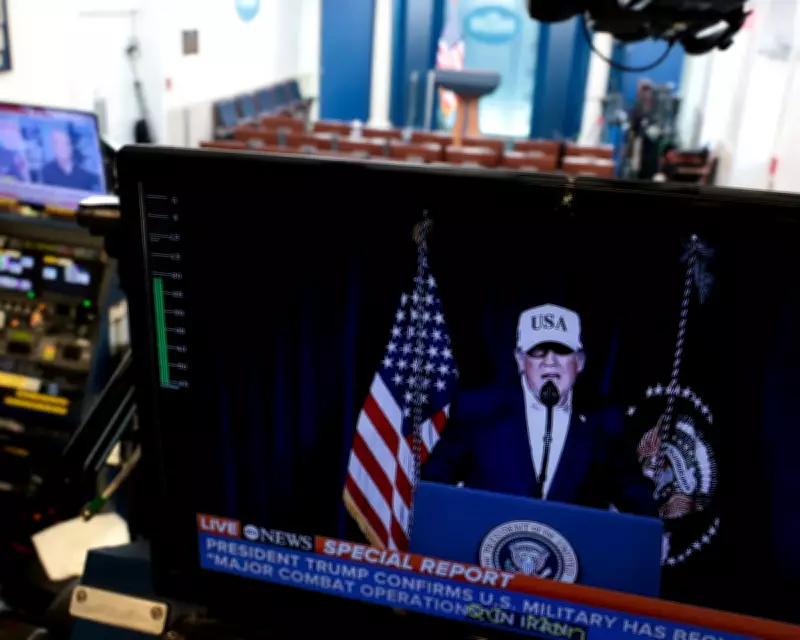
Donald Trump has consistently criticized US military interventions abroad, but his administration's recent decision to join Israel in striking Iran has ignited a fierce debate over whether this action aligns with his past promises to avoid "endless wars." Hundreds of people are feared dead in Iran following the attacks by US and Israeli forces on Saturday, with casualties expected to rise, and six US service members have been killed since the conflict began.
Trump's Historical Stance on Military Intervention
For over a decade, Donald Trump has denounced US involvement in foreign conflicts. In December 2016, as president-elect, he declared, "We will stop racing to topple foreign regimes that we know nothing about, that we shouldn't be involved with." During his 2016 campaign, he argued that the US had become "the policemen of the world" and could no longer afford that role.
In his 2019 State of the Union address, Trump emphasized, "Great nations do not fight endless wars," and he repeatedly pledged to bring troops home throughout his election campaigns. These statements positioned him as a critic of prolonged military engagements, particularly in the Middle East.

Current Conflict and Contradictory Actions
Now, with the US government's move to attack Iran alongside Israel, critics argue that Trump risks entangling the United States in the very type of protracted Middle East conflict he long warned against. They point to the potential for escalation and the humanitarian toll, as initial reports indicate significant loss of life in Iran.
Supporters of the action, however, contend that it was necessary to deter Iran and protect US interests and allies. They highlight security concerns and the need for a strong response to regional threats, framing the strikes as a defensive measure rather than an offensive war.
Public Reaction and Ongoing Debate
The decision has sparked diverse reactions across the United States. Many Americans are questioning the consistency of Trump's policies, given his vocal opposition to similar interventions in the past. Concerns are mounting about the potential for a broader conflict and the impact on US troops and diplomatic relations.
As the situation unfolds, the debate centers on whether this intervention marks a departure from Trump's "America First" ideology or a pragmatic shift in response to evolving threats. The administration's next steps will be closely watched, with implications for US foreign policy and global stability.
This development underscores the complex challenges of balancing campaign promises with real-world security demands, leaving many to ponder the future of US involvement in the Middle East under Trump's leadership.