Trump's Iran Conflict and AI Ethics Spark Global Debate
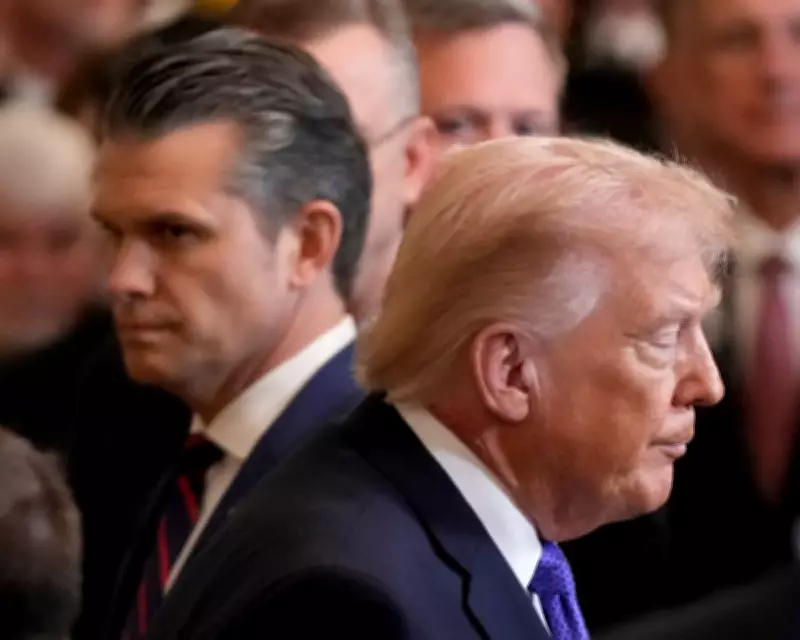
Donald Trump, alongside his defence secretary Pete Hegseth, has ignited controversy with the US-Israel war on Iran, raising doubts about promises of peace and stability in the Middle East. Critics argue that Trump's approach, marked by inconsistent rationales from officials like Hegseth, Marco Rubio, and JD Vance, undermines democratic values and risks escalating regional tensions.
Military Strategy and Democratic Hypocrisy
Trump's administration, which campaigned on a "no more wars" platform, now engages in what Hegseth terms a "regime-refresh" war in Iran, distancing it from nation-building efforts. However, this shift conflicts with earlier statements and actions, such as strikes on the ayatollah's compound. Analysts note that Trump's disregard for democracy domestically extends to foreign policy, with little genuine commitment to women's rights or freedom in Iran, despite public rhetoric.
The debate has become polarized, with supporters overlooking past criticisms to champion Trump's actions. Yet, historical patterns suggest that his strategies often lead to unintended consequences, as seen in Gaza, where backing military actions has resulted in long-term instability. The lack of democracies in the Gulf region further complicates claims of promoting freedom through force.

AI Contract Controversy and Ethical Lapses
Simultaneously, the Trump administration faces scrutiny over its handling of AI technology. The defence department terminated a contract with Anthropic after the firm refused to loosen ethical guidelines, which prohibited uses like mass surveillance and autonomous lethal weapons. In response, the administration turned to OpenAI, led by Sam Altman, raising concerns about whether similar guardrails are in place.
This move highlights a broader trend of prioritizing military applications over ethical considerations, potentially accelerating the development of dangerous technologies. Critics argue that Trump's focus on bombing campaigns, rather than addressing AI risks, reflects a regressive approach to global challenges.
Broader Implications for Global Stability
Trump's actions in Iran and with AI technology pose significant threats to international trust and security. His administration's lies, enrichment while in office, and undermining of allies have eroded democratic norms. As the world watches, questions arise about whether his policies will leave a safer, more prosperous global landscape or exacerbate existing divisions.
Ultimately, the real threat to Western ways of life may stem from internal decisions, as Trump's leadership style prioritizes short-term gains over long-term stability, casting doubt on his ability to deliver on promises of peace and equality.