Trump's Pivot from Peacemaker to War President
Donald Trump, the self-styled "candidate of peace," has dramatically shifted from his campaign promises to avoid foreign entanglements by initiating a war against Iran. This move starkly contrasts with his 2024 election rhetoric, where he positioned himself as the antithesis to Democratic opponents Joe Biden and Kamala Harris, vowing to end conflicts in Gaza and Ukraine.
Campaign Promises vs. Presidential Actions
In his victory speech and inaugural address, Trump emphasized a commitment to peace, stating, "I'm not going to start a war. I'm going to stop wars." His administration and supporters, including Vice President JD Vance, promoted a "pro-peace ticket," with Vance highlighting Trump's foreign policy as "Not Starting Any Wars" in a Wall Street Journal op-ed. However, within his first year back in office, Trump has authorized bombings in seven countries: Yemen, Syria, Iran, Iraq, Nigeria, Somalia, and Venezuela.
The Escalation in Iran
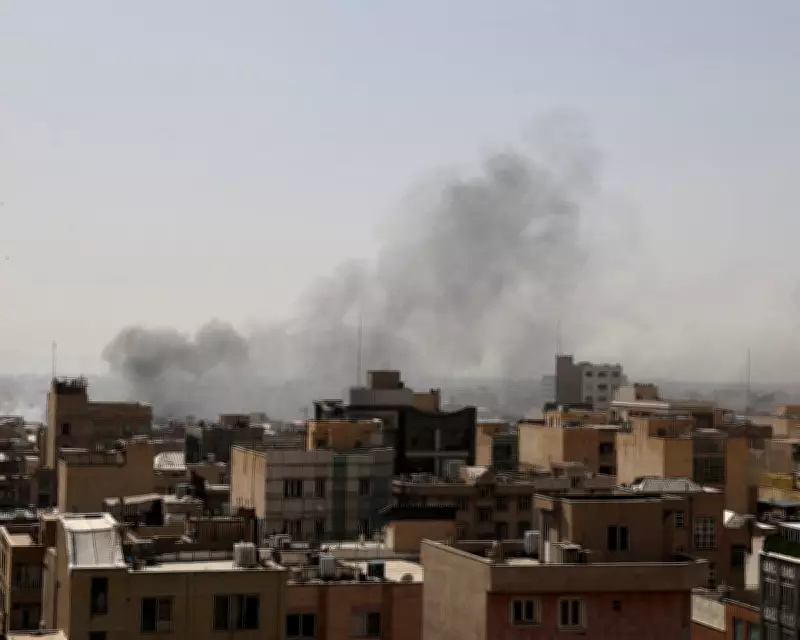
The most significant escalation occurred with a joint US-Israeli attack on Iran, announced via a Truth Social video in the early hours. Trump described it as a "massive and ongoing" campaign aimed at destroying Iran's military capabilities and overthrowing its Islamic regime. This action, framed as a defense against "imminent threats," includes claims about Iran's nuclear program and support for regional militias like Hezbollah and Hamas.

Scrutinizing the Justification
Trump's rationale for war relies on exaggerated intelligence. He asserted Iran is close to developing long-range missiles targeting the US, but US agencies, including the Defense Intelligence Agency, report Iran is years away from such capabilities. Similarly, allegations of Iran rebuilding its nuclear program post-US airstrikes lack evidence, with the International Atomic Energy Agency finding no signs of resumed uranium enrichment.
Parallels to the Iraq War
This scenario draws unsettling parallels to the 2003 Iraq invasion, where false intelligence led to a costly, decades-long conflict. The Iraq war, which cost nearly $2.9 trillion according to the Costs of War project, shattered Iraqi society and reshaped the Middle East. Trump, who previously criticized such regime change wars, now embarks on a similar path with little clarity on an endgame, despite 70% of Americans opposing military action in Iran.
Broader Implications
The war risks spiraling into a regional conflagration, as Iran views it as a fight for survival. Trump's lack of effort to explain the threat to Congress or the public, coupled with ignoring public opinion, underscores a departure from his "America First" brand. This shift highlights the complexities of US foreign policy and the enduring impact of military interventions in the Middle East.