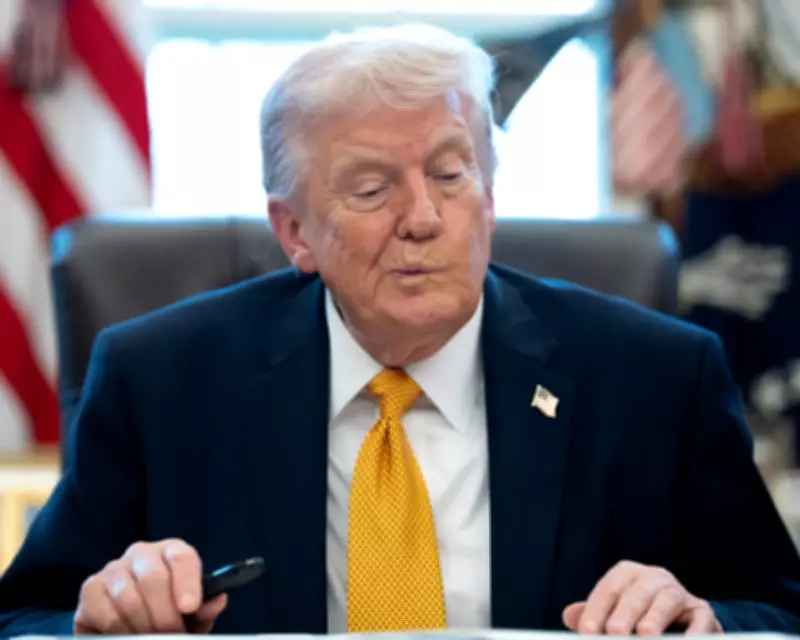
Trump Confronts the Realities of US Power in Global Affairs
In a striking display of geopolitical tension, Donald Trump's recent actions have underscored the limitations of American influence on the world stage. The conflict with Iran and the flawed implementation of trade tariffs reveal a president grappling with the complexities of global economics and military strategy.
Military Miscalculations in the Middle East
The attack on Iran was intended as a demonstration of US military supremacy, but it has instead exposed vulnerabilities. Trump's arsenal cannot easily provoke internal opposition in Iran or secure safe passage for merchant ships through the Strait of Hormuz, where missile and drone threats persist. The Iranian government retains its strategic leverage over global trade, frustrating Trump's efforts and leading to public displays of exasperation.
His calls for tanker crews to show courage and accusations of cowardice against NATO allies have painted a picture of a leader appearing peevish and flustered. This impotence in the face of geopolitical realities challenges the image of a powerful potentate, highlighting a broader lesson in strategic myopia.

Economic Interdependence and Trade Policy Failures
Beyond military issues, Trump's approach to trade has faced significant setbacks. His embrace of tariffs, dubbed "the most beautiful word in the dictionary," was meant to revive domestic manufacturing and raise revenue. However, this policy has proven flawed in practice. Tariffs act as a tax on US consumers, leading to higher prices, and their goals conflict with blocking trade entirely.
The "Liberation Day" initiative, which imposed tariffs globally without distinction, caused market recoil and forced a partial retreat. The US Supreme Court later ruled the legal basis for these tariffs unconstitutional, leaving the White House to scramble in rebuilding its anti-import strategy. This chaos has primarily benefited China, which responded with export restrictions on rare-earth elements, forcing Trump into a trade truce.
Global Reactions and Diplomatic Setbacks
Trump's deferred visit to Beijing signals a president adrift, as China's Xi Jinping demonstrates a better grasp of economic leverage and interdependence. NATO allies' refusal to provide naval support in the Hormuz Strait further illustrates growing resistance to Trump's demands, reflecting a rational aversion to unnecessary military entanglements.
These developments show that Trump's "America First" doctrine is foundering on the rocks of global economics. The costs of the Iran war, estimated at over $11 billion, and the trade policy failures underscore that even a superpower is not immune to the forces of economic interdependence. Trump's slow learning curve continues to test this doctrine to new depths, with significant implications for US foreign policy and global stability.