Trump's Afghanistan Comments Dismiss NATO Sacrifice
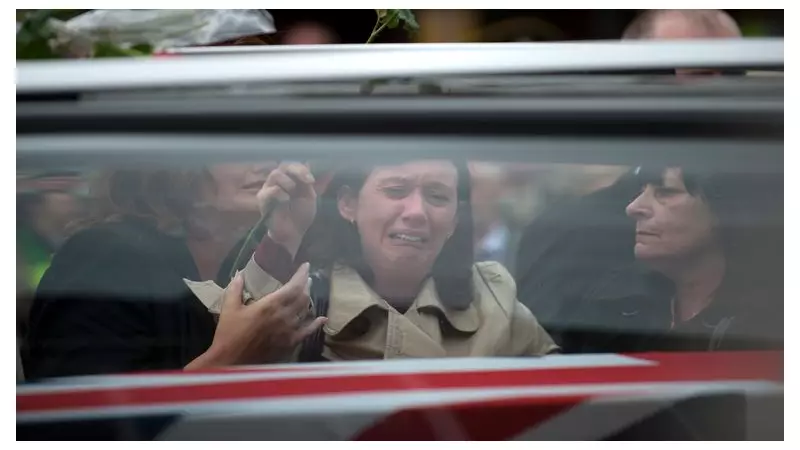
Former US President Donald Trump has sparked widespread outrage with remarks suggesting NATO coalition forces in Afghanistan "stayed a little back; a little off the frontlines" during the conflict. These comments, described as both disrespectful and factually incorrect, have delivered what many are calling a "gut punch" to the families of the 1,160 non-American coalition soldiers who lost their lives.
Personal Experience Contradicts Claims
Having been embedded with British and Danish troops in Helmand Province in 2007, I witnessed firsthand that these forces were very much on the frontline. The Danish military, in particular, suffered the highest per capita losses of any NATO nation in Afghanistan. British forces experienced similarly heavy casualties, with 457 service personnel killed during the campaign.
The Human Cost of Disinformation
Trump's comments extend beyond geopolitical debate to cause genuine pain:

- Families of the fallen must now hear their loved ones' sacrifice questioned
- Thousands of wounded veterans, many with life-changing injuries, feel their service diminished
- Allied soldiers who fought alongside American troops feel their contribution is being erased
The imagery of Union flag-draped coffins passing through Wootton Bassett became a tragically familiar sight during the conflict, representing the very real human cost that Trump's remarks seem to disregard.
Historical Context and Personal History
These comments gain additional resonance when considering Trump's personal military history. The former president dodged the draft five times during the Vietnam War, a fact that adds particular sting to his criticism of those who served. Afghanistan represented America's war that allies joined following the 9/11 attacks, with support continuing through two decades of increasingly difficult conflict.
Broader Implications for Alliances
Coming after what many observers describe as significant damage to international alliances during Trump's Davos appearance, these latest remarks further strain relationships with NATO partners. The suggestion that allies avoided frontline duty contradicts the documented experiences of battles in Sangin, Musa Qala, Babaji, and Nad Ali - engagements etched permanently in the memories of those who served and the families of those who didn't return.
As discussed on analysis platforms, it remains unclear whether these comments stem from ignorance, indifference, or intentional provocation. What is certain is their profound impact on those most affected by the Afghanistan conflict and their potential to further undermine international cooperation at a delicate geopolitical moment.