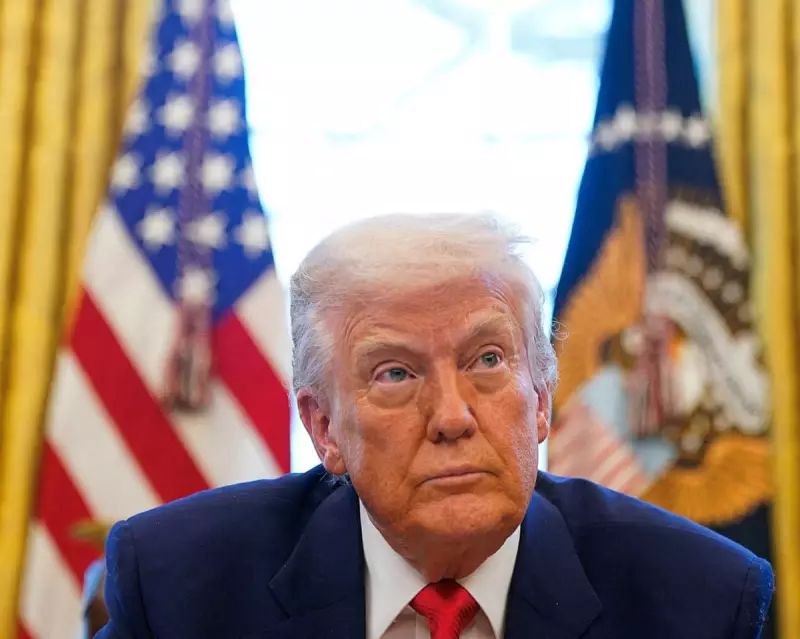
In a move that has sent shockwaves through international security circles, former President Donald Trump has instructed the Pentagon to examine the feasibility of stationing American nuclear weapons in allied territories overseas.
The controversial directive, issued during Trump's ongoing transition planning for a potential second term, represents a significant departure from established US nuclear policy and could fundamentally reshape global security dynamics.
What the Pentagon Has Been Asked to Do
According to sources familiar with the matter, the Pentagon has been tasked with:

- Identifying allied nations willing to host US nuclear weapons
- Assessing the logistical and security requirements for overseas deployment
- Evaluating potential costs and timeline for implementation
- Analysing the impact on existing arms control agreements
Why This Matters for European Security
The proposal has raised particular concerns among European allies and arms control experts. Stationing US nuclear weapons in new locations could:
- Undermine decades of nuclear non-proliferation efforts
- Escalate tensions with nuclear-armed adversaries
- Complicate security arrangements with NATO partners
- Trigger a new arms race in volatile regions
Nuclear policy experts warn that such a move would represent the most significant shift in US nuclear posture in decades, potentially reversing long-standing policies aimed at reducing the global nuclear threat.
The Broader Context
This development comes as Trump's transition team prepares for a possible return to the White House, with defence and foreign policy emerging as key areas of focus. The nuclear weapons directive appears to align with Trump's previously stated views on projecting American military power more assertively abroad.
Critics argue that deploying nuclear weapons to new locations could destabilise international security and violate the spirit of several arms control treaties, even if not their specific legal terms.
The Pentagon's assessment is reportedly in its early stages, but the mere consideration of such options has already generated significant concern among arms control advocates and foreign policy experts on both sides of the Atlantic.