UK Shifts Stance on Middle East Conflict, Permits US Base Use for Defensive Strikes
In a significant policy reversal, the United Kingdom has agreed to allow the United States to utilize British military bases for potential defensive operations against Iran. This decision comes amid escalating tensions in the Middle East, with Prime Minister Keir Starmer announcing a new approach focused on a specific and limited defensive purpose.
Background of UK Military Preparations
Over the past six weeks, the UK has been bolstering its military assets in the Middle East to protect key allies and its base at Akrotiri in Cyprus. A joint UK-Qatari squadron relocated from Lincolnshire to Qatar in January, positioned to act in self-defence if regional attacks occur. The expectation is that any US-Israeli strikes on Iran could trigger retaliatory missile and drone launches from Tehran, targeting US bases where British troops are often co-located.
RAF Typhoons in Qatar and F-35 and Typhoons in Akrotiri are on standby to intercept incoming threats and defend allied nations. This buildup reflects the UK's proactive stance in a volatile region, aiming to safeguard its interests and support partners.

Policy Change and Legal Justification
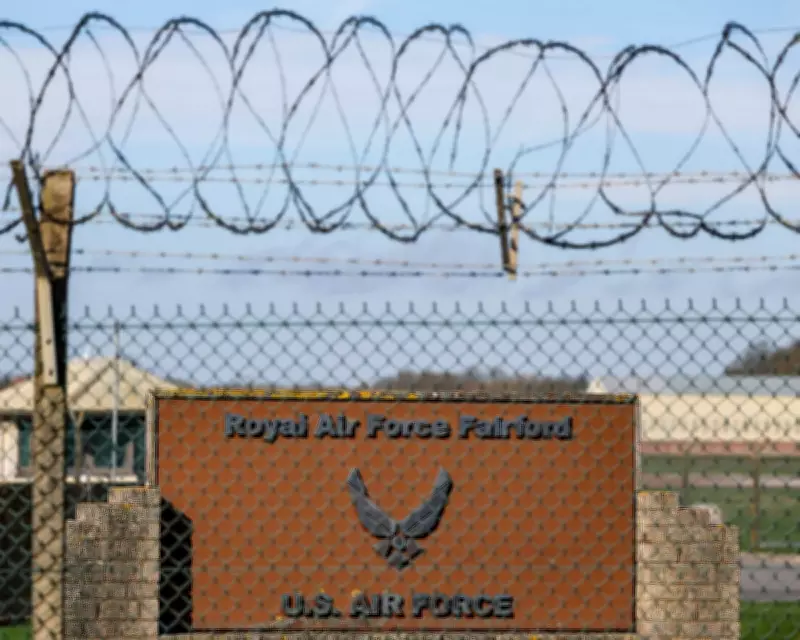
Initially, Prime Minister Starmer refused a request from former US President Donald Trump to use RAF Fairford in Gloucestershire and Diego Garcia in the Indian Ocean for offensive operations. Trump expressed disappointment, suggesting Starmer was concerned about legality. However, in a video address, Starmer revised this position, stating the UK would now permit base use for defensive actions against Iranian missile storage depots and launchers.
The UK government argues this involvement is legal under international law, as it constitutes participation in the self-defence of allied nations. Iran has already retaliated against nine countries, including Israel, Jordan, and Cyprus, with missiles and drones, justifying the defensive posture.
Potential Military Scenarios and Implications
Military analysts indicate the most likely immediate scenario involves the US using Fairford and Diego Garcia to bomb Iran's missile cities—deep mountain sites housing ballistic missiles. Effective targeting may require US heavy bombers, such as B-2 stealth bombers or B-52s, equipped with bunker-buster munitions. These bases are preferred due to their proximity to Iran compared to US mainland locations.
UK involvement could expand if Iran retaliates further. Recent drone attacks on the RAF base at Akrotiri highlight ongoing threats, potentially prompting direct UK retaliation. As the conflict evolves, the US may request additional military support, and Starmer has shown flexibility to characterise deeper efforts as defensive, possibly leading to increased UK commitment.
This shift underscores the UK's complex role in the Middle East, balancing alliances, legal considerations, and regional stability amid a rapidly changing war landscape.