UK Defence Secretary Condemns Iran's 'Evil' Regime Amid Regional Strikes
The UK Defence Secretary, John Healey, has issued a stark warning about the "very real and rising threat" posed by Iran following recent US and Israeli military actions in the region. In a series of media appearances, Healey described the Iranian regime as "evil" and stated that few would mourn the death of Supreme Leader Ayatollah Ali Khamenei, whose passing was announced after the airstrikes.
Healey's Strong Condemnation of Iranian Actions
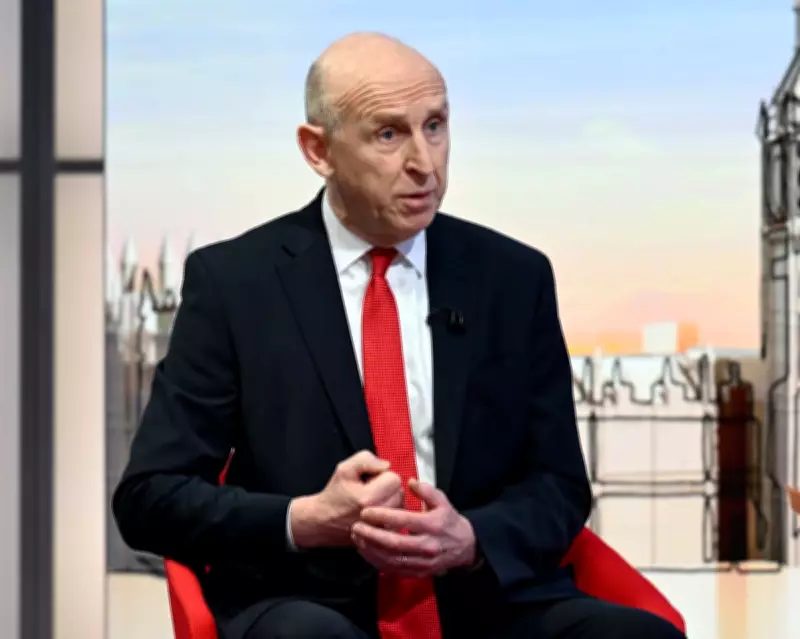
Speaking on Sky News and the BBC's Sunday with Laura Kuenssberg programme, Healey detailed Iran's aggressive behaviour across the Middle East. He accused the regime of menacing Western nations through sponsorship of at least twenty terror plots targeting the United Kingdom, alongside active involvement in multiple proxy conflicts. The Defence Secretary emphasized that Iran was attacking neighbouring countries in what he called an "indiscriminate" manner, specifically mentioning strikes against hotels in Dubai and Bahrain, as well as an airport in Kuwait.
When questioned about his reaction to Khamenei's death, Healey responded bluntly: "I think few people will mourn the ayatollah's death, not least the families and friends of the thousands of protesters murdered on the streets of Iranian cities. Iran and the regime he's led for so long, it's a source of evil – murdering its own citizens and sponsoring and exporting terror."

UK's Defensive Posture and Political Divisions
While Healey did not directly criticise the US and Israeli strikes, stating it was "for the US to set out and explain" the legality of their actions, he carefully distanced the United Kingdom from the military operations. He confirmed that the UK had declined to allow use of its military bases for the attacks, though he refused to elaborate on this decision. Instead, Healey outlined the British government's current role as defensive in nature, with UK military planes actively protecting British citizens and interests across the Middle East by intercepting missiles that could pose threats.
The Defence Secretary called for Iran to disarm and return to negotiations, highlighting the need for diplomatic solutions to regional tensions. However, the US and Israeli military action has exposed significant political divisions within the United Kingdom:
- Emily Thornberry, Labour chair of Parliament's foreign affairs committee, declared the attack breached international law and expressed relief that the UK was not involved.
- Zack Polanski, Green Party leader, condemned the assassination of the ayatollah, telling the BBC there was no justification for the bombing.
- In contrast, Priti Patel, the shadow foreign secretary, criticised Labour leader Keir Starmer for not offering more support to the US-Israeli operation.
- Reform UK's Nigel Farage similarly called for the Prime Minister to reverse the decision on military base usage and back American actions against Iran.
Regional Implications and Security Concerns
Healey's warnings come amid heightened tensions across the Middle East, with Iran's response to the airstrikes creating additional security challenges. The Defence Secretary's characterization of Iran as "lashing out across the region" reflects growing concerns about escalating conflict and its potential impact on international stability. As the situation develops, the UK government maintains its focus on defensive measures while navigating complex diplomatic relationships with both regional actors and Western allies involved in the military actions.