UK and Ireland Forge Enhanced Defense Pact to Safeguard Critical Irish Waters
The United Kingdom and Ireland have officially signed a "rebooted" defense agreement that significantly strengthens security cooperation between the two nations, with particular focus on protecting Irish waters from emerging threats. Announced during the second post-Brexit Ireland-UK summit held in Cork on Friday, this updated memorandum of understanding represents a substantial evolution from the 2016 agreement it replaces.
Royal Navy's Potential Role in Irish Waters
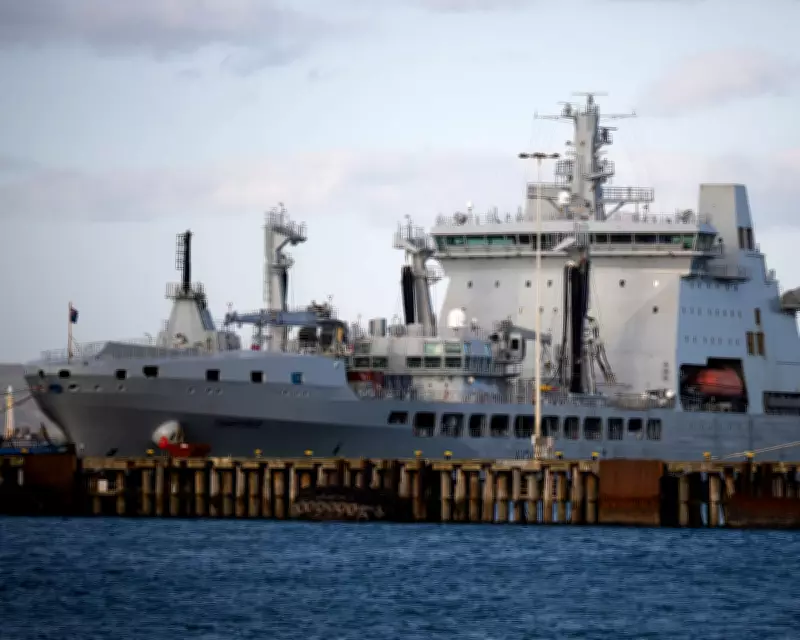
The landmark agreement creates mechanisms that could authorize Royal Navy ships to respond to hostile activities within Irish territorial waters. While Irish Taoiseach Micheál Martin clarified that this arrangement does not constitute routine patrolling by British vessels, he emphasized the importance of having response capabilities in place for potential security incidents. "We know what's happened in other seas where there has been interventions," Martin stated, making an apparent reference to Russian activities. "We know that certain elements have been observing the cables and other vital infrastructure, and so that's the context, and it's to protect that and to make sure we can respond effectively if an event was to happen."
Modernizing Security Against Contemporary Threats
The updated agreement specifically addresses modern security challenges that have emerged since the original 2016 pact was established. UK Defense Secretary John Healey explained: "This rebooted memorandum of understanding modernizes our framework for cooperation on areas critical to both our nations' security, in particular to counter the growing undersea and cyber-threats we share." The enhanced cooperation framework includes provisions for addressing cyber-threats and protecting critical undersea infrastructure, particularly internet and electricity cables that traverse Irish waters.

Strategic Importance of Irish Waters
Ireland's waters hold extraordinary strategic significance for European and transatlantic communications infrastructure. Approximately 75% of all transatlantic cables pass through or near Irish territory, creating what security experts describe as an outsized vulnerability for European communications networks. This geographical reality has made Irish waters particularly attractive targets for hostile actors seeking to disrupt critical infrastructure.
The timing of this agreement coincides with increased security concerns following multiple incidents in the Irish Sea over the past eighteen months. Most notably, authorities recently escorted a Russian spy ship after it entered and patrolled an area containing critical energy and internet submarine pipelines and cables. These developments have highlighted the urgent need for enhanced maritime security measures.
Ireland's Defense Position and International Context
Ireland maintains a policy of military neutrality and operates one of Europe's smallest defense forces, with no submarine capabilities and no membership in NATO. Despite this neutral stance, Irish officials have emphasized their commitment to addressing security threats. Irish Foreign and Defense Minister Helen McEntee articulated this position clearly: "We're militarily neutral, but we're not neutral to any of the threats that exist at the moment. So it's already the case that we have UK ships, for various reasons, military or otherwise, in our waters. This is about making sure that if there are threats or issues that emerge, we have structures in place that we can work with each other in cooperation."
The agreement arrives as Ireland prepares to assume the presidency of the European Union in July, placing its defense capabilities under increased international scrutiny. Recent developments have seen Dublin securing enhanced security support from France during its EU presidency term and exploring potential collaboration with the UK-led Joint Expeditionary Force, a maritime security alliance involving ten NATO members.
Operational Framework and Future Cooperation
The newly signed defense pact establishes several key operational mechanisms:

- Enhanced liaison between British and Irish defense organizations and naval forces
- A comprehensive framework for protecting subsea infrastructure
- A coordinated response mechanism for addressing major subsea communication cable incidents affecting both nations
- Regular consultation protocols for addressing emerging maritime security threats
This agreement represents a significant step in UK-Ireland relations following Brexit, demonstrating continued security cooperation despite political changes. The enhanced partnership acknowledges the shared security interests of both nations while respecting Ireland's policy of military neutrality. As undersea infrastructure becomes increasingly vital to global communications and energy networks, this defense cooperation framework establishes important protocols for protecting critical assets in one of Europe's most strategically significant maritime regions.