UK Explores Drone Deployment to Counter Iran's Strait of Hormuz Closure
In response to Iran's recent closure of the Strait of Hormuz, a critical global shipping lane, the UK government is actively considering the deployment of advanced drone systems to the Middle East. This move comes after former US President Donald Trump urged the UK and other nations to send warships to secure the region, which has seen a spike in oil prices due to the disruption.
Government and Military Response to the Crisis
The UK Ministry of Defence (MoD) has confirmed discussions with allies regarding options to ensure maritime security. A government statement emphasized, "We are currently discussing with our allies and partners a range of options to ensure the security of shipping in the region." Energy Secretary Ed Miliband highlighted that the UK is "intensively" examining measures to reopen the strait, including the use of autonomous mine-hunting equipment.
Types of Drones Under Consideration
Two primary drone types are being evaluated for potential deployment:

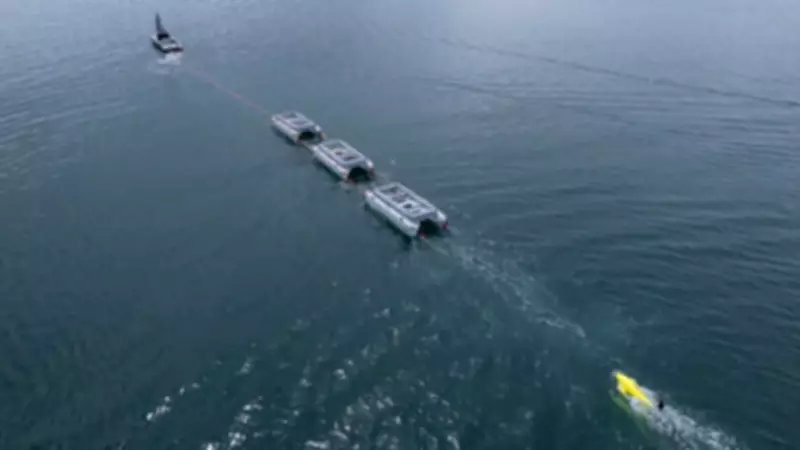
- Mine-Hunting Drones: These autonomous systems, such as the Sweep, SeaCat, and Wilton systems, use sonar technology to detect and neutralize underwater mines at depths up to 1,000 feet. Defence Secretary John Healey noted that the UK has prepositioned some of these systems in the region and is exploring additional options.
- Interceptor Drones: Modeled after the Octopus drones developed with Ukrainian support, these cost-effective drones are designed to destroy aerial threats like Iran's Shahed drones by direct collision or proximity detonation. An MoD spokesperson indicated that while production is currently for Ukraine, future use for UK forces is under exploration.
Capabilities and Challenges of Drone Deployment
The Royal Navy's Mine and Threat Exploitation Group, stationed in the Middle East, could deploy these drones, though specifics on numbers remain undisclosed. Military analyst Michael Clarke pointed out that while mine-hunting drones offer a modern alternative to traditional minesweeper ships, systems like Sweep are "fairly young" and untested in combat. Similarly, interceptor drones, though effective, face logistical hurdles, as diverting them from Ukraine could leave that nation short of critical defense resources.
Impact on Regional and Global Dynamics
The closure of the Strait of Hormuz has heightened tensions, with several oil tankers reportedly coming under fire. The UK's potential drone deployment aims to mitigate these threats through technological innovation, reducing risks to sailors by enabling remote operations. However, the situation underscores broader geopolitical complexities, as the UK balances its commitments to allies in both the Middle East and Ukraine.