UK Considers Military Options to Safeguard Shipping in Strait of Hormuz
Defence Secretary John Healey has announced that the United Kingdom is actively evaluating potential measures to defend commercial shipping in the Strait of Hormuz against Iranian threats. This strategic move comes amid escalating tensions in the Middle East, with Healey emphasising the need for coordinated international efforts to address the crisis.
Discussions with European Allies
John Healey revealed that he has engaged in talks with his counterparts from the E5 group of European powers, which includes Germany, France, Italy, and Poland. These discussions, held on Wednesday, focused on enhancing collaboration to protect vital maritime routes and prepare for possible evacuations of UK nationals if the conflict between the US, Israel, and Iran intensifies.
The defence secretary stressed that the optimal solution to unblock the Strait of Hormuz would be a cessation of the ongoing war. However, with oil tankers facing attacks from Iranian drones, mines, and missiles, Healey has directed military planners to explore what contributions the UK can make alongside allies. This includes assessing the deployment of autonomous vessels capable of countering mines and leveraging personnel stationed at a headquarters in Bahrain with expertise in maritime security operations.

Military Assets and Readiness
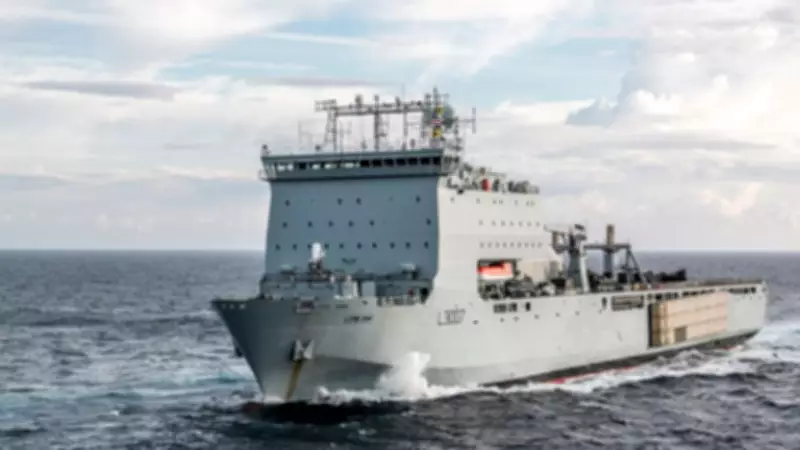
In a significant step, the UK is dispatching HMS Dragon, a Type 45 destroyer equipped with advanced air defence capabilities, to reinforce regional defences. This vessel could play a crucial role in any multinational initiative to protect shipping. Additionally, the Royal Fleet Auxiliary ship Lyme Bay has been placed on heightened readiness for potential deployment, underscoring the UK's preparedness for evacuation scenarios.
Healey highlighted the broader implications of the crisis, noting, "Recognising the huge impact this potentially has on oil prices and the cost of living, there is an international imperative to try and see this resolved." He assured that while planning is in its early stages, the UK is committed to discussing additional options with allies to ensure a robust response.
Challenges and Limitations
Despite these efforts, the UK's capacity to defend shipping or conduct evacuations is more constrained than in previous years due to defence budget reductions. A decade ago, the Royal Navy maintained a stronger presence in the region, including warships and minehunters based in Bahrain. Today, with no permanent warships stationed there and the last crewed minehunter, HMS Middleton, returned to the UK for maintenance, the UK's contributions would necessarily be part of a coalition effort with partners such as the United States and France.
Healey concluded by emphasising the importance of readiness, stating, "If this conflict worsens, we have to be ready should evacuations be required." As the situation evolves, the UK continues to monitor developments closely, prioritising the security of its citizens and the stability of global oil markets.