

Russia has accused Ukrainian forces of significantly escalating long-range drone attacks on its territory, marking what it describes as a new and intense phase in the conflict. The claims, made by Moscow's defence ministry, suggest a strategic shift in Kyiv's military tactics as the war continues.
Moscow Reports Widespread Aerial Assaults
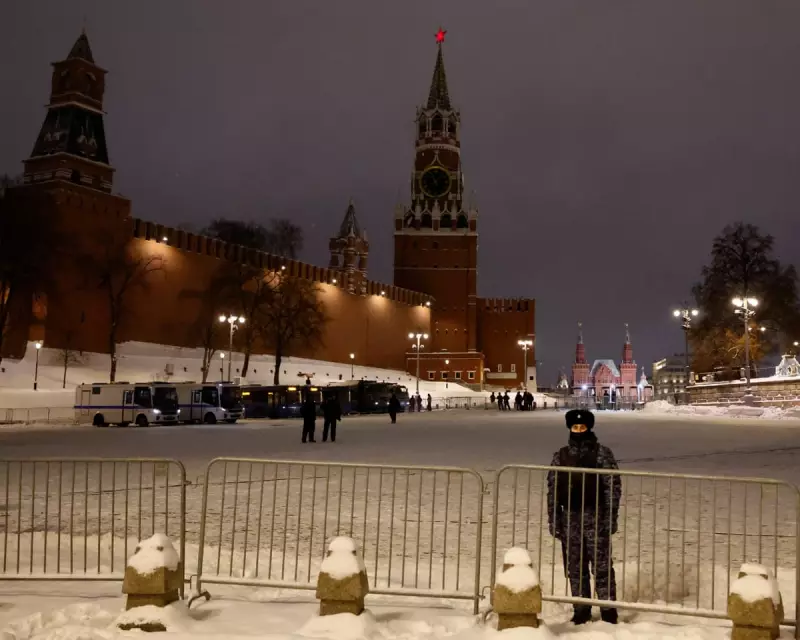
According to Russian officials, their air defence systems intercepted and destroyed a substantial number of Ukrainian unmanned aerial vehicles (UAVs) over several regions. The Russian defence ministry stated that a total of 36 drones were shot down in the early hours of a single morning. The targeted areas reportedly included the regions of Moscow, Bryansk, Oryol, and Kursk.
This wave of attacks represents one of the most extensive drone operations claimed by Russia since the invasion began. While Ukrainian authorities rarely comment on operations inside Russian territory, the scale of this reported assault indicates a growing capability and willingness to strike targets far beyond the front lines.

Strategic Implications and Military Analysis
The alleged escalation comes amid a period of intense ground fighting, particularly around the eastern Ukrainian city of Avdiivka. Russian military sources have framed these drone attacks as a direct response to their own recent successes on the battlefield. By targeting regions deeper inside Russia, Ukraine appears to be aiming to disrupt logistics, damage military infrastructure, and demonstrate its ability to project power, potentially aiming to undermine domestic Russian sentiment towards the war.
Military analysts note that the use of drones provides a cost-effective method for Ukraine to impose a strategic toll. These UAVs can threaten oil depots, airfields, and industrial facilities critical to Russia's war effort, forcing Moscow to divert significant resources to air defence across a vast area.
Context of the Conflict and International Stance
This development occurs against a backdrop of stalled major Western aid packages for Ukraine, particularly from the United States. The delay in crucial funding and weaponry has placed immense pressure on Ukrainian forces, who are managing ammunition shortages while defending against a larger adversary. The reported drone campaign may be part of an effort to maintain military pressure and initiative despite these resource constraints.
The international community continues to watch the situation closely, with many Western nations providing political and limited military support to Kyiv. However, the direct strikes on Russian soil, as claimed by Moscow, add a complex layer to the geopolitical calculus, raising concerns about further escalation.
As the conflict grinds on, the reported intensification of drone warfare signals an evolution in tactics. Both sides are increasingly relying on technology and long-range strikes to gain an advantage in a war that shows no immediate signs of resolution. The coming weeks will likely reveal whether this represents a sustained new strategy from Kyiv or a more isolated series of operations.






