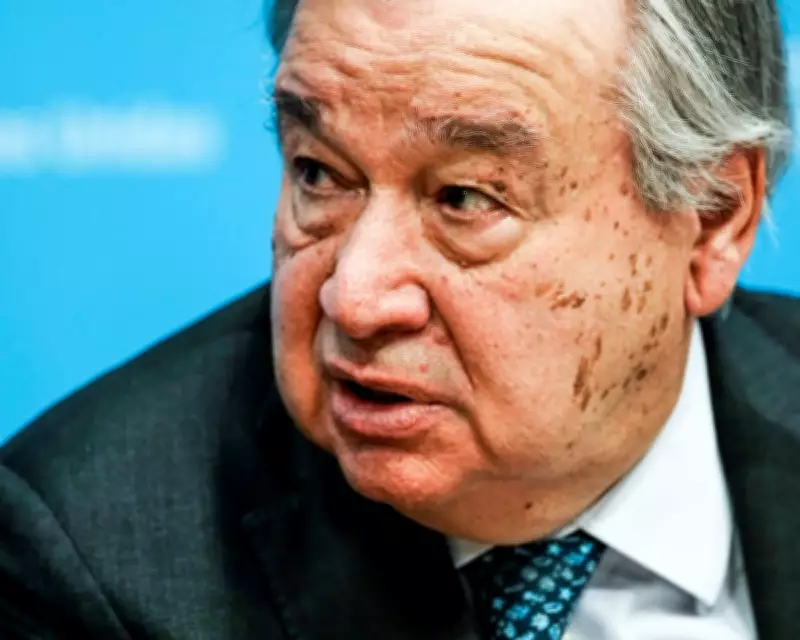
UN Issues Stark Warning Over Expiration of US-Russia Nuclear Treaty
The United Nations has issued a grave warning regarding the expiration of the New START treaty, a pivotal nuclear arms control agreement between the United States and Russia. This development has sparked significant concerns about escalating global instability and the potential for a renewed arms race, as diplomatic efforts to renew the pact have stalled.
Background and Significance of the New START Treaty
The New START treaty, formally known as the Strategic Arms Reduction Treaty, was originally signed in 2010 and served as a cornerstone of international security by limiting the number of deployed strategic nuclear warheads and delivery systems for both nations. Its expiration marks a critical juncture in post-Cold War relations, removing a key framework that has helped maintain strategic stability and transparency between the world's two largest nuclear powers.
Implications for Global Security and Diplomacy
With the treaty now lapsed, experts fear a return to heightened tensions and an unconstrained nuclear buildup. The UN has emphasised that this situation could undermine decades of progress in non-proliferation efforts, increasing the risk of miscalculation or conflict. The absence of verifiable limits and inspection mechanisms may lead to a dangerous lack of oversight, complicating future diplomatic negotiations and trust-building measures.

Current Political Context and Future Prospects
The expiration comes amid ongoing geopolitical strains, including the war in Ukraine and broader East-West divisions. While both the US and Russia have expressed a theoretical willingness to engage in new arms control talks, substantive discussions have been hampered by mutual accusations and logistical challenges. The UN's warning underscores the urgent need for renewed dialogue to prevent a destabilising vacuum in global security architecture.
Potential Consequences and International Response
Potential consequences include:
- Increased nuclear posturing and testing by both nations.
- A ripple effect on other nuclear-armed states, potentially encouraging proliferation.
- Strained alliances and heightened military expenditures worldwide.
International bodies and allied nations are calling for immediate action to revive negotiations, highlighting the treaty's role in fostering a safer global environment. The situation remains fluid, with observers closely monitoring any signs of breakthrough in the coming months.