

Undercover Officer Exposed by Own Blunder in Spycops Inquiry
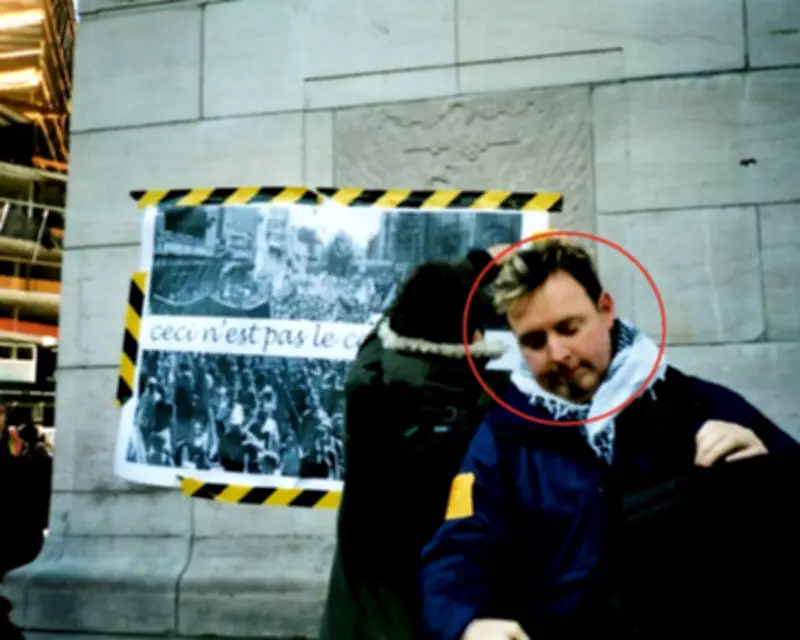
An undercover police officer has admitted that his own blunder exposed him as an infiltrator, in a revelation described by activists as reminiscent of the famously inept Inspector Clouseau. The spycops public inquiry heard that the officer, who used the fake name Simon Wellings, compromised his covert deployment by mistakenly recording himself discussing individual campaigners with other special branch officers.
The Fatal Mistake
Wellings committed the error while infiltrating leftwing groups as a member of a covert Scotland Yard unit. The incident occurred in 2004 when he attended a secret meeting with special branch officers and was asked if he had the telephone number of an activist. He looked up her number on his phone but then mistakenly dialled it.
His call was diverted to the activist's voicemail, which recorded him being asked by the other officers to identify campaigners from photographs he was being shown. He did not realise their conversation was being recorded, creating a permanent record of his undercover activities.

Aftermath and Confrontation
Activists from Globalise Resistance, the anti-capitalist group Wellings had infiltrated, recognised his voice from the recording. They suspected Wellings was an informant and confronted him at a meeting at the Royal Festival Hall in London, resulting in his expulsion from the group.
Guy Taylor, the group's national organiser, said Wellings' mistake was worthy of Inspector Clouseau, the fictional detective known for his comical incompetence. The comparison highlighted the absurdity of the situation that exposed years of covert surveillance.
Police Response and Internal Discussions
Internal police documents reveal that after Wellings was exposed, authorities considered whether to leave the anti-capitalist group "intact" or whether to "mount a destructive operation" through Wellings. Four days after the expulsion, the episode was recorded in a memo by DCI Michael Dell, then head of the covert Special Demonstration Squad (SDS).
When questioned by the inquiry about what "mount a destructive operation" meant, Wellings stated: "I have no idea ... I don't really understand what 'mount a destructive operation' means, or how we would have the agency to do it even if it was remotely appropriate or lawful." Dell is expected to be questioned later this year about this memo.
Surveillance Activities Revealed
Wellings was questioned last week by the inquiry examining how approximately 139 undercover officers spied on tens of thousands of predominantly leftwing activists over more than four decades. The undercover officers assumed fake identities while gathering extensive information about activists' political and personal lives.
Wellings admitted submitting up to 4,000 surveillance reports on campaigners while infiltrating Globalise Resistance and other leftwing campaigns between 2001 and 2007. These reports included detailed information about campaigners' bank accounts, housing situations, personal relationships, and financial circumstances.
Controversy Over Reporting Methods
Campaigners have accused Wellings of routinely fabricating and exaggerating his surveillance reports, particularly regarding the level of violence at protests. Wellings rejected these criticisms, stating: "I did my best to report on what I saw and heard and experienced around myself."
Many of his surveillance reports during the final years of his deployment consisted of information taken directly from campaign websites rather than firsthand observations. Wellings also revealed that one of his motivations for joining the SDS was the significant amount of overtime he could claim each month.
Continued Operations Despite Exposure
Despite his exposure and expulsion from Globalise Resistance, Wellings continued monitoring other leftwing activists for three more years. He told the inquiry that he "held himself responsible" for compromising his deployment, acknowledging his error had serious consequences for the covert operation.

The spycops inquiry continues to examine the extensive surveillance practices employed by police against political activists, with this case highlighting both the human errors that can compromise such operations and the ethical questions surrounding long-term infiltration of political groups.





